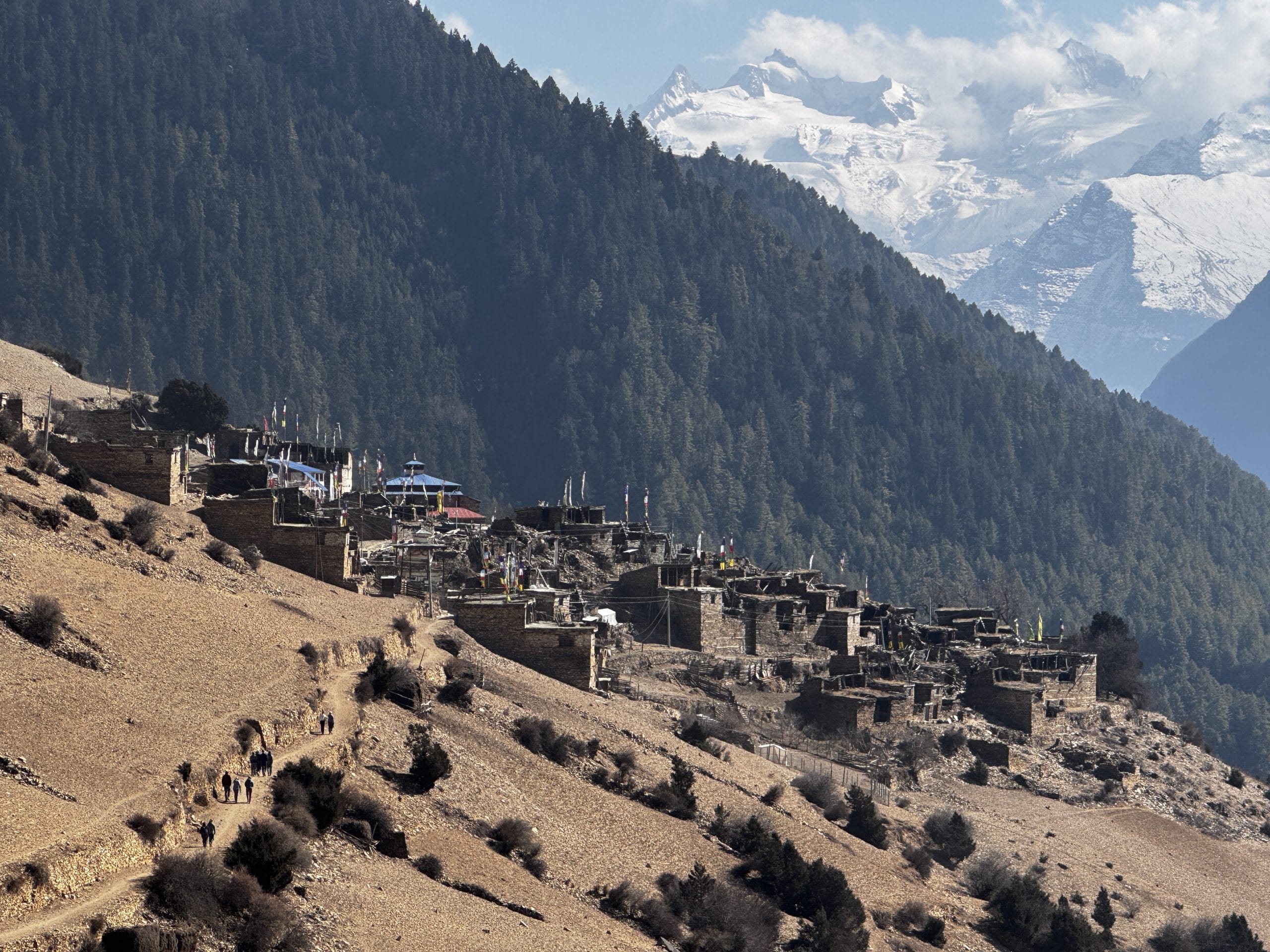
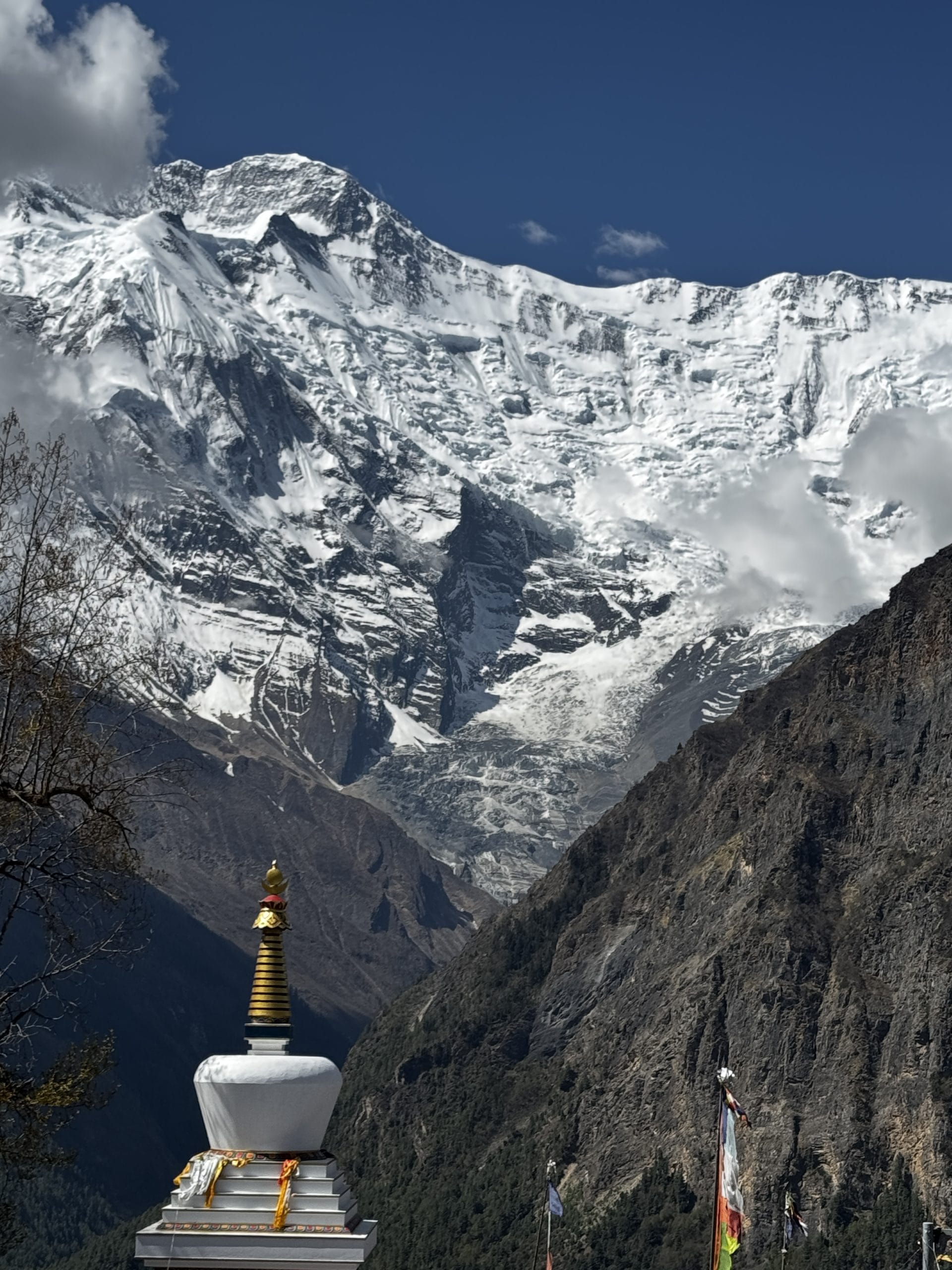
Nepal is a landscape of immense natural wonder and cultural heritage, renowned for its extraordinary biodiversity across dramatic altitude gradients. This combination of geographic and ecological diversity makes Nepal a unique and significant setting for conservation and research.
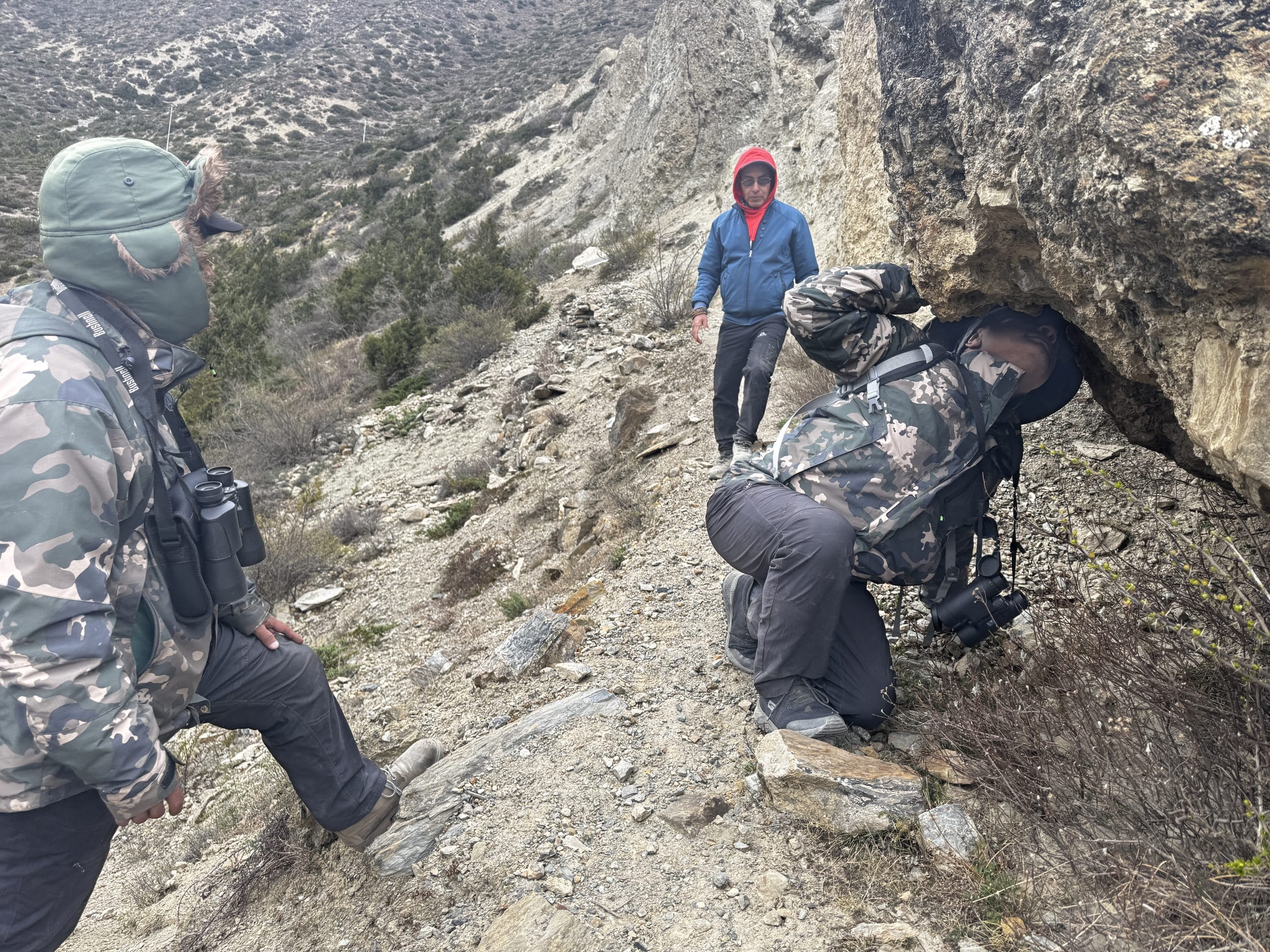
Join us in supporting our Nepalese partner, BIOCOS-Nepal (Biodiversity Conservation Society Nepal), in advancing community-focused conservation through research on globally threatened and ecologically significant species. Exploring high-elevation mountains, forested foothills, and tropical lowlands, you’ll gain hands-on experience across a wide variety of Nepal’s ecosystems and wildlife species. Student groups contribute to research on focal species including snow leopard, common leopard, musk deer, blue sheep, Royal Bengal tiger, Himalayan black bear, and Himalayan pheasants. You will have the opportunity to develop an array of field skills including wildlife tracking and surveying, camera trapping, human-wildlife conflict assessment, GIS-based habitat mapping, vegetation surveys, and birds of prey counts.
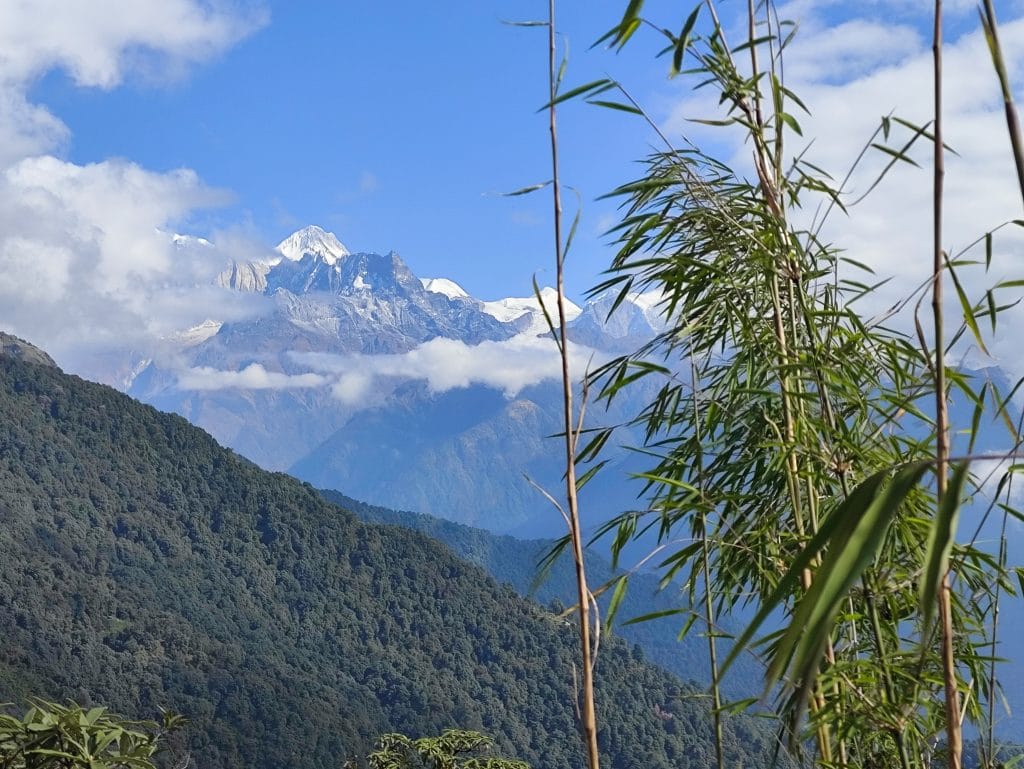
Photo by P. Singh
Through fieldwork and experiential academics, you will learn about Nepal’s natural history — from geology to habitats to species diversity. You’ll also dive into the human aspects of conservation, considering community perspectives and challenging preconceived notions. The program is designed to be holistic and immersive, offering a unique opportunity to engage deeply with the landscape and your place within it.
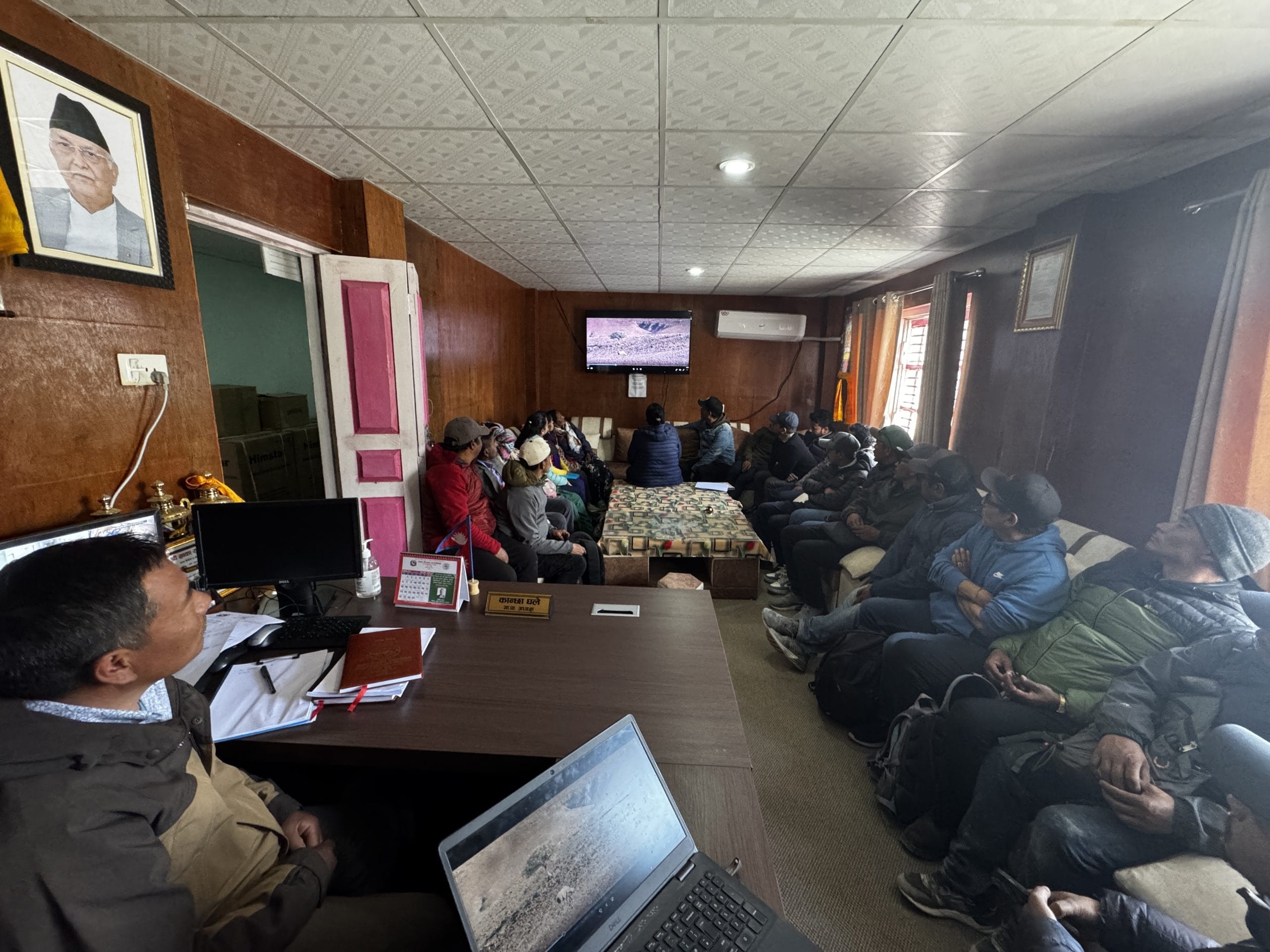
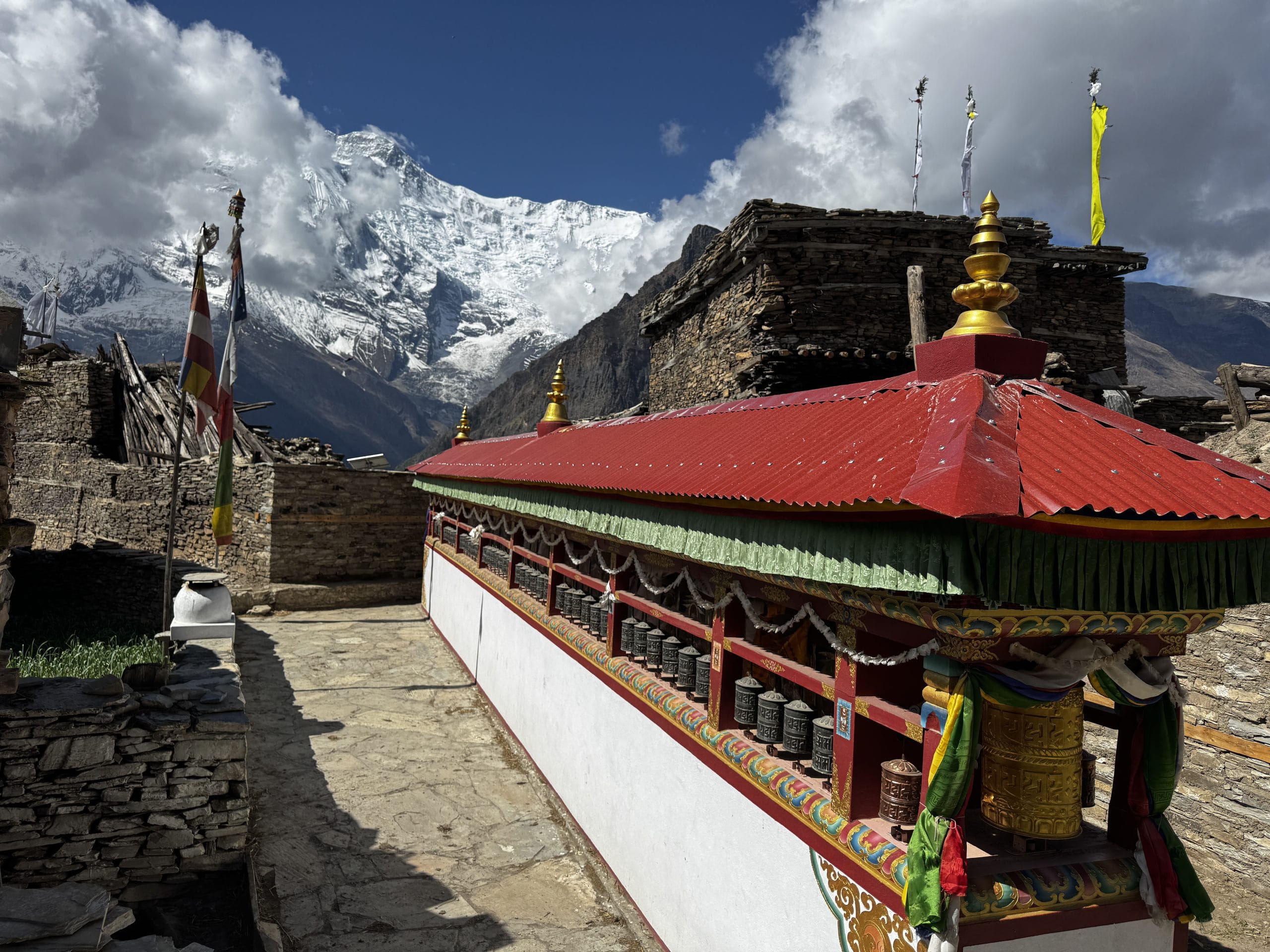
In addition to research and academics, you will interact with park rangers, scouts, researchers, and community members, gaining insight into Nepalese life. There will also be opportunities to experience Himalayan culture and Buddhist philosophy through visits to monasteries, cultural sites, and local towns.
Nepal is a landscape of immense natural wonder and cultural heritage, renowned for its extraordinary biodiversity across dramatic altitude gradients. This combination of geographic and ecological diversity makes Nepal a unique and significant setting for conservation and research.
Join us in supporting our Nepalese partner, Biodiversity Conservation Society of Nepal (BIOCOS-Nepal), in advancing community-focused conservation through research on globally threatened and ecologically significant species. Exploring high-elevation mountains, forested foothills, and tropical lowlands, you’ll gain hands-on experience across a wide variety of Nepal’s ecosystems and wildlife species. Student groups contribute to research on focal species including snow leopard, blue sheep, Bengal tiger, and Himalayan pheasants. You will have the opportunity to develop an array of field skills including wildlife tracking and surveying, camera trapping, human-wildlife conflict assessment, habitat mapping, and plant surveys.
Through fieldwork and experiential academics, you will learn about Nepal’s natural history — from geology to habitats to species diversity. You’ll also dive into the human aspects of conservation, considering community perspectives and challenging preconceived notions. The program is designed to be holistic and immersive, offering a unique opportunity to engage deeply with the landscape and your place within it.
In addition to research and academics, you will interact with park rangers, scouts, researchers, and community members, gaining insight into Nepalese life. There will also be opportunities to experience Himalayan culture and Buddhist philosophy through visits to monasteries, cultural sites, and local towns.
Nepal is a landscape of immense natural wonder and cultural heritage, renowned for its extraordinary biodiversity across dramatic altitude gradients. This combination of geographic and ecological diversity makes Nepal a unique and significant setting for conservation and research.
Join us in supporting our Nepalese partner, Biodiversity Conservation Society of Nepal (BIOCOS-Nepal), in advancing community-focused conservation through research on globally threatened and ecologically significant species. Exploring high-elevation mountains, forested foothills, and tropical lowlands, you’ll gain hands-on experience across a wide variety of Nepal’s ecosystems and wildlife species. Student groups contribute to research on focal species including snow leopard, blue sheep, Bengal tiger, and Himalayan pheasants. You will have the opportunity to develop an array of field skills including wildlife tracking and surveying, camera trapping, human-wildlife conflict assessment, habitat mapping, and plant surveys.
Through fieldwork and experiential academics, you will learn about Nepal’s natural history — from geology to habitats to species diversity. You’ll also dive into the human aspects of conservation, considering community perspectives and challenging preconceived notions. The program is designed to be holistic and immersive, offering a unique opportunity to engage deeply with the landscape and your place within it.
In addition to research and academics, you will interact with park rangers, scouts, researchers, and community members, gaining insight into Nepalese life. There will also be opportunities to experience Himalayan culture and Buddhist philosophy through visits to monasteries, cultural sites, and local towns.
Spring Semester
12 Weeks – early February to early May
Financial Support
The semester will begin in Kathmandu, Nepal’s major commercial and tourist hub. You will spend your first week in the vibrant capital city, gaining an immersive introduction to Nepal’s cultural and conservation landscape. In Kathmandu, you will also find an array of gear stores to buy any last-minute equipment, along with currency exchanges and larger supermarkets to prepare for your program.
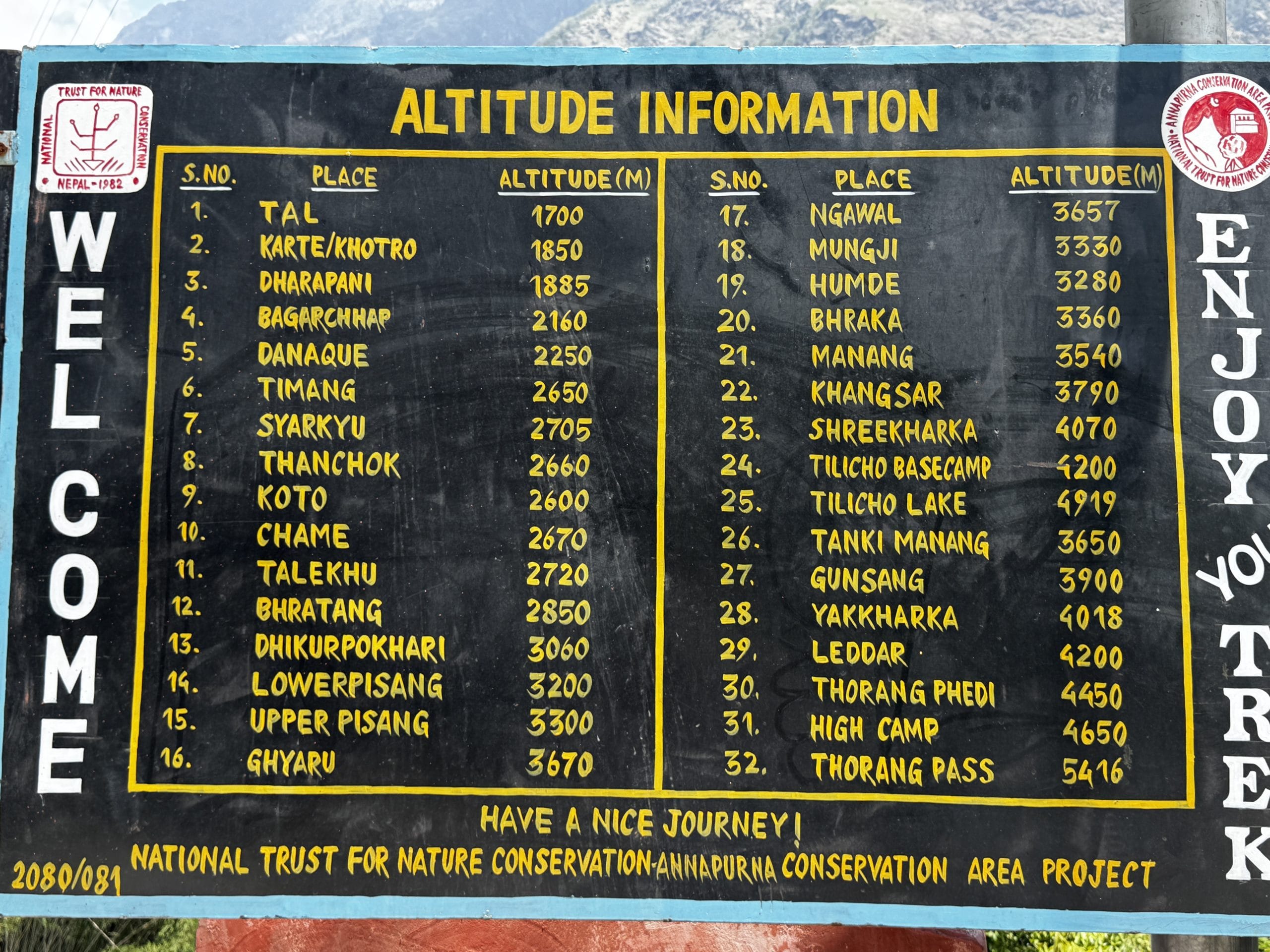
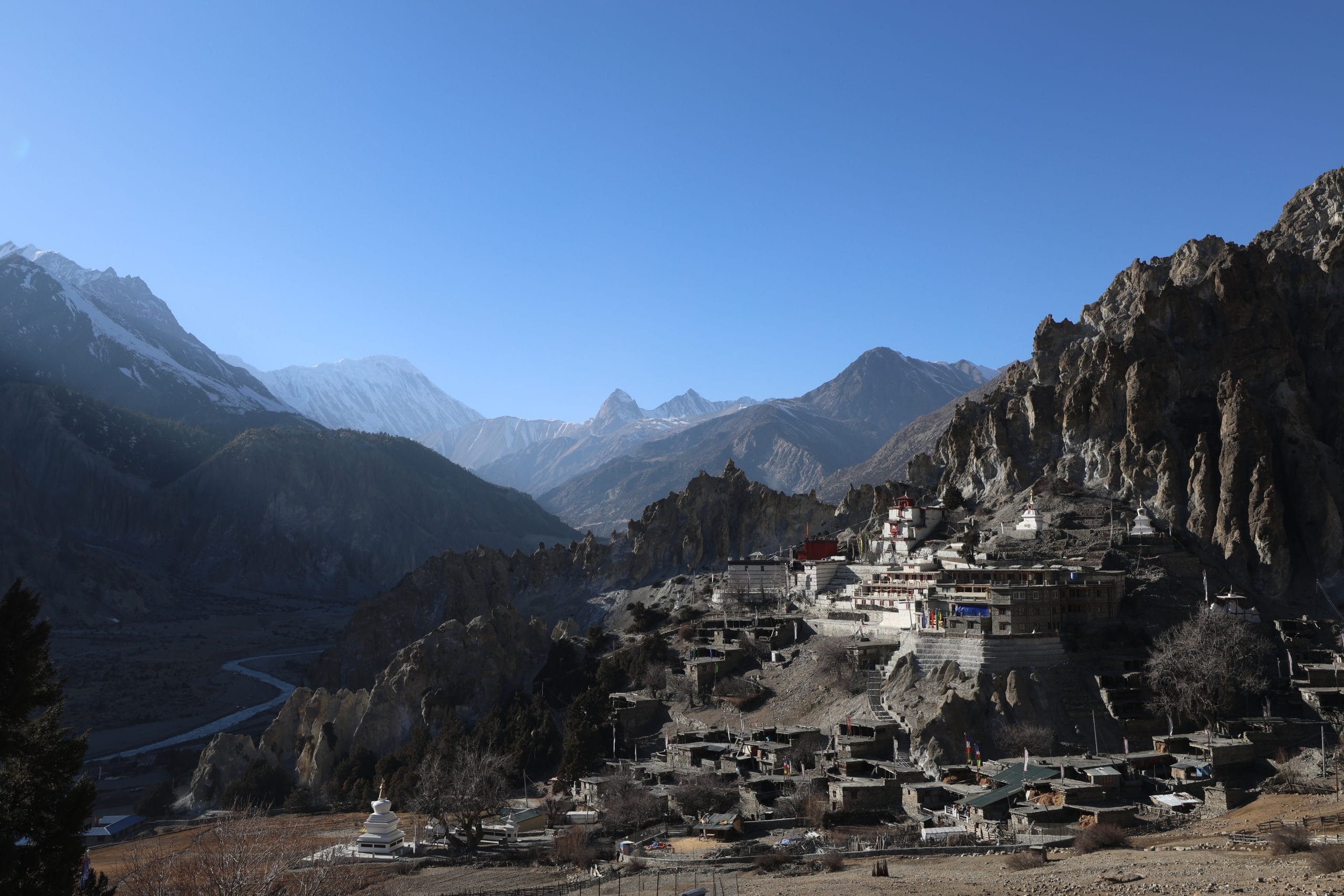
Half of the semester will be based in the Annapurna region, high in the Himalayan mountains. You will trek for several days through the Neshyang Valley to reach Snow Leopard Haven, a research and conservation-tourism center situated in the Manang District of the Annapurna Conservation Area. After completing research at Snow Leopard Haven, you will tackle the Throngla Pass Trek and Mustang Trek, experiencing the beauty and ruggedness of the mountainous region.
The other half of the semester will be based in the forested foothills and lowland plains, where you will conduct fieldwork in the Pipar Pheasant Conservation Landscape and Chitwan National Park. While in Chitwan, you will also spend a few days enjoying the park as a visitor without expected research duties.
The semester will conclude in Kathmandu with a few wrap up days before you head home.
You can expect to stay in a variety of accommodations including tea houses, lodges and research centers. While research and day-to-day life will be field-based, camping is not an element of the program.
Throughout the semester, you will have the opportunity to work in and experience a wide range of habitats in Nepal from high-elevation mountains to lowland regions.
Annapurna Conservation Area – Neshyang Valley & Snow Leopard Haven
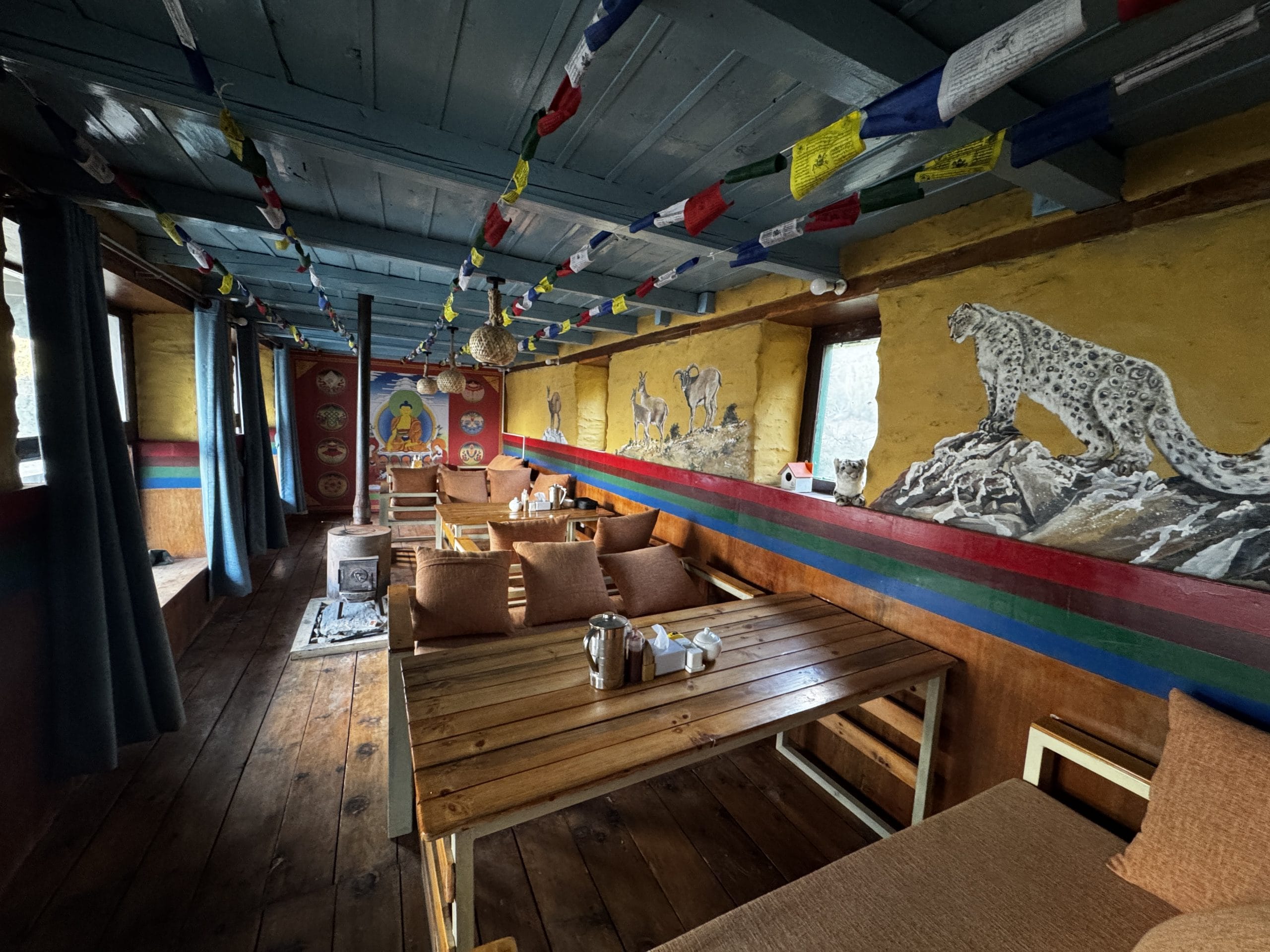
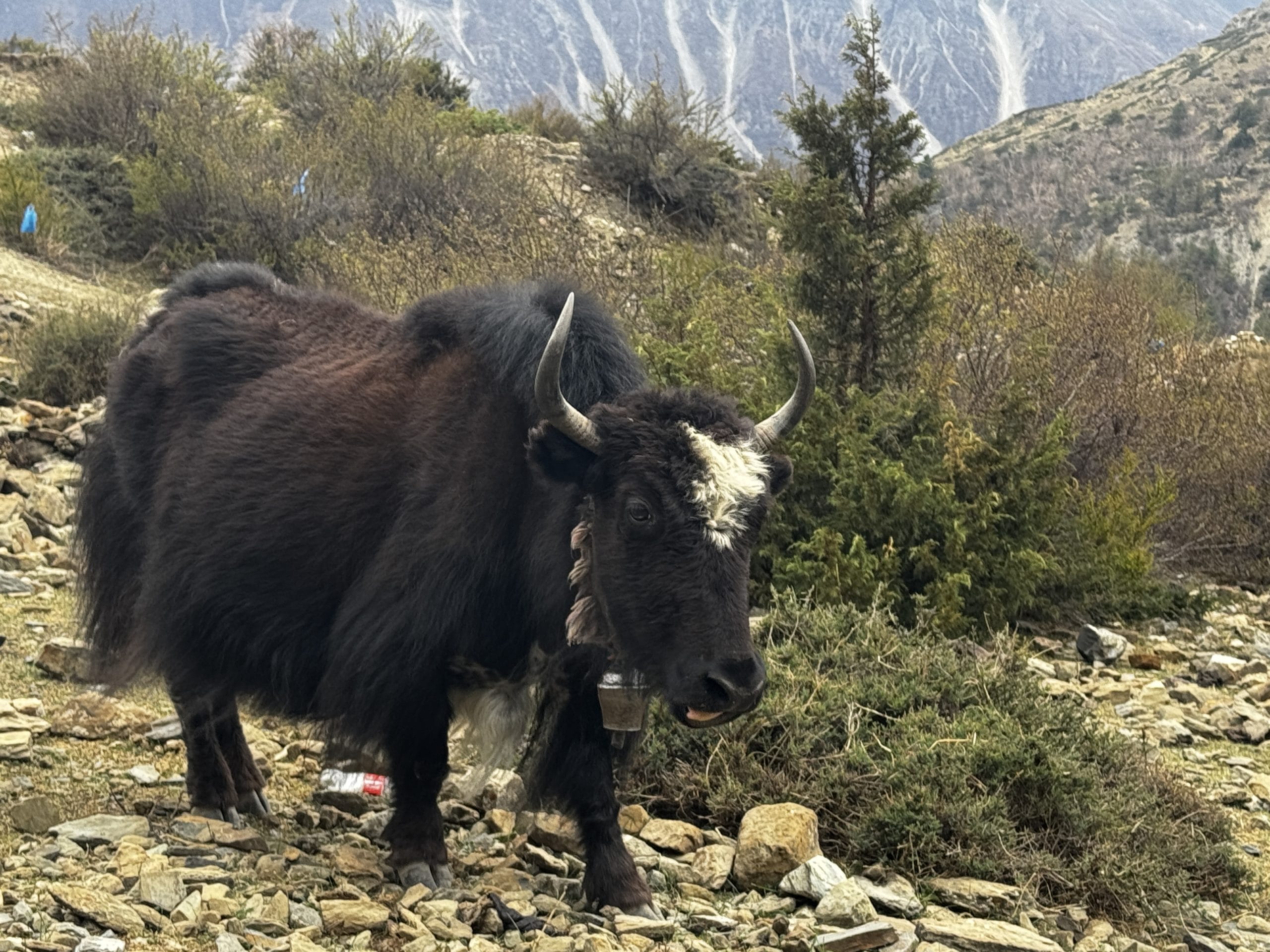
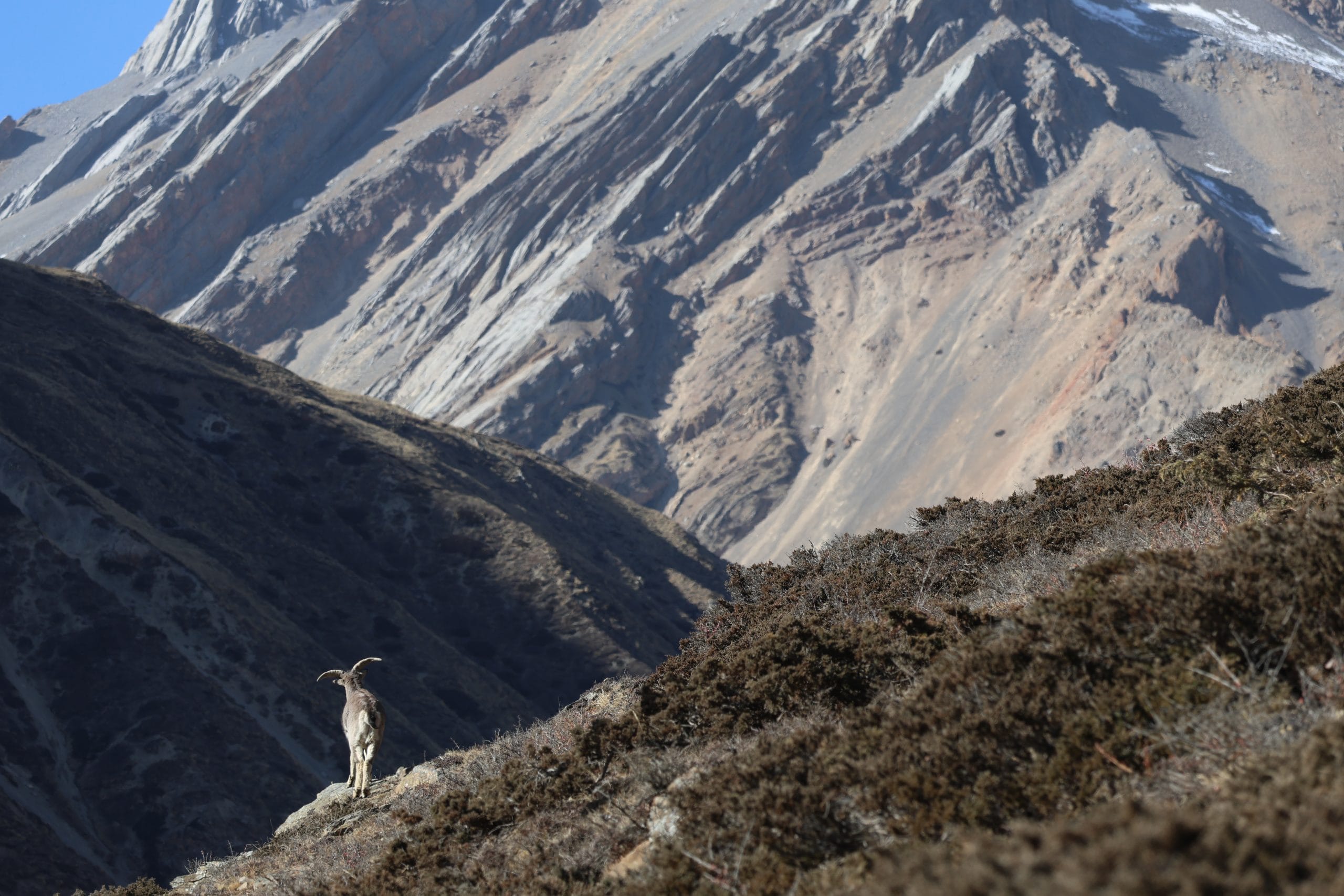
The Neshyang Valley, located in the Manang District of the Annapurna Conservation Area (ACA), represents one of the most ecologically significant high-altitude landscapes in the Annapurna Himalayan Ranges. The valley encompasses a diverse elevational gradient of temperate to alpine ecosystems, supporting a strong assemblage of mammals including snow leopard, blue sheep, Himalayan tahr, and common leopard. Situated at nearly 13,000 ft, the habitat surrounding Snow Leopard Haven is ideal for breeding female snow leopards who are regularly seen nearby. The Haven area is also highly important for yak herders and blue sheep, the principal prey of the snow leopard. Recognizing this area’s ecological importance, BIOCOS-Nepal has implemented their Snow Leopard Stewardship Program focused on annual monitoring of snow leopards, regular prey assessments — including systematic counts of blue sheep — and programs strengthening coexistence between herders and snow leopards.
Pipar Pheasant Conservation Landscape
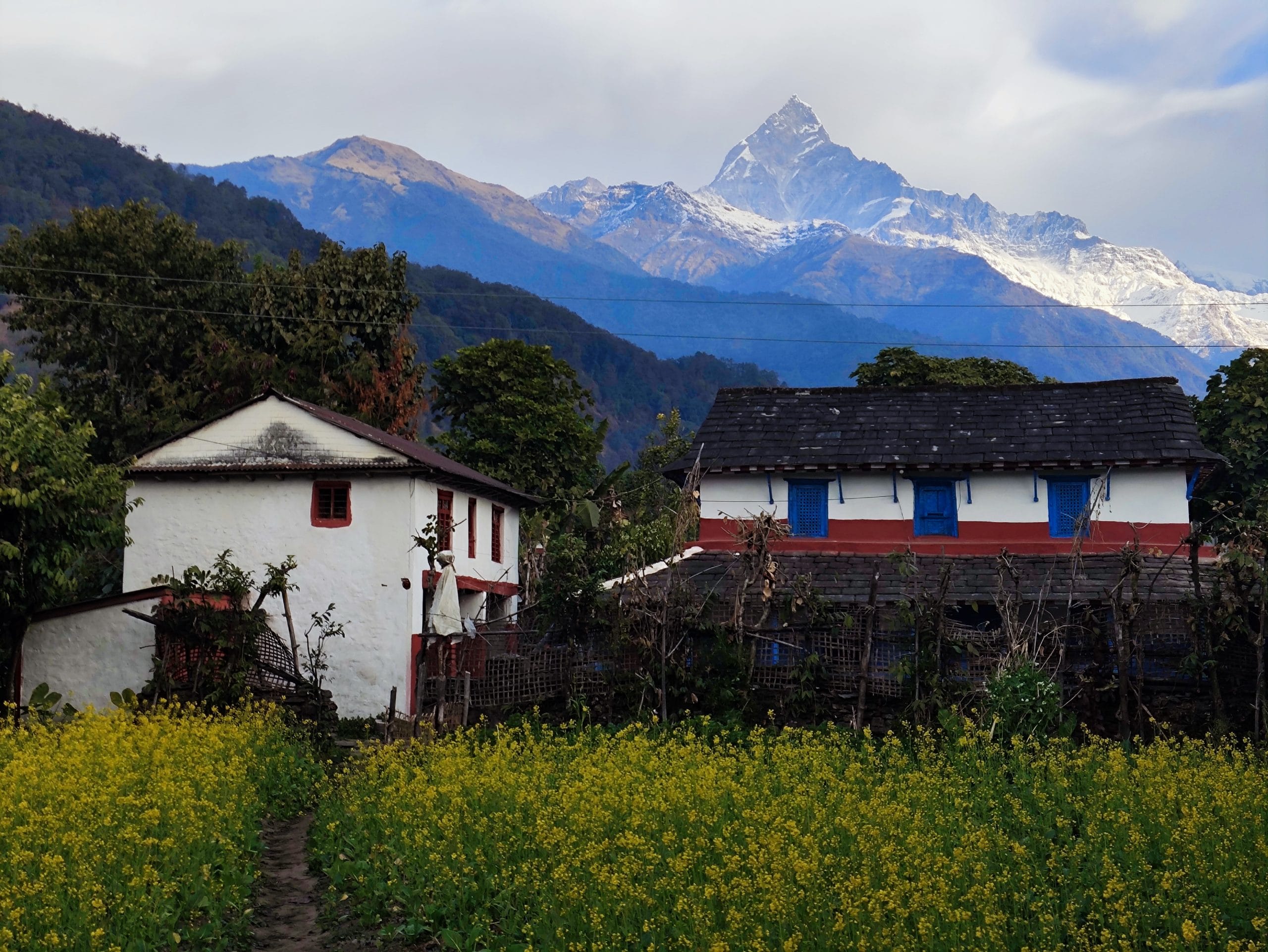
The Pipar Pheasant Conservation Landscape (PPCL), located on the southern slopes of the Machhapuchhre and Annapurna ranges is a globally significant biodiversity hotspot, supporting a continuum of ecosystems, from subtropical forests to alpine grasslands. The PPCL represents one of the longest-running Galliformes (landfowl) monitoring sites in the Himalayas, and is a critical habitat for all five Himalayan pheasants: satyr tragopan, Himalayan monal, blood pheasant, koklass pheasant, and kalij pheasant. The landscape also hosts the only “vulture restaurant” in the Pokhara Valley, providing a vital refuge for threatened scavengers. To safeguard this fragile ecosystem, BIOCOS-Nepal, in partnership with the World Pheasant Association (WPA), is advancing community-led conservation initiatives, school education programs, and long-term research and monitoring.
Chitwan National Park
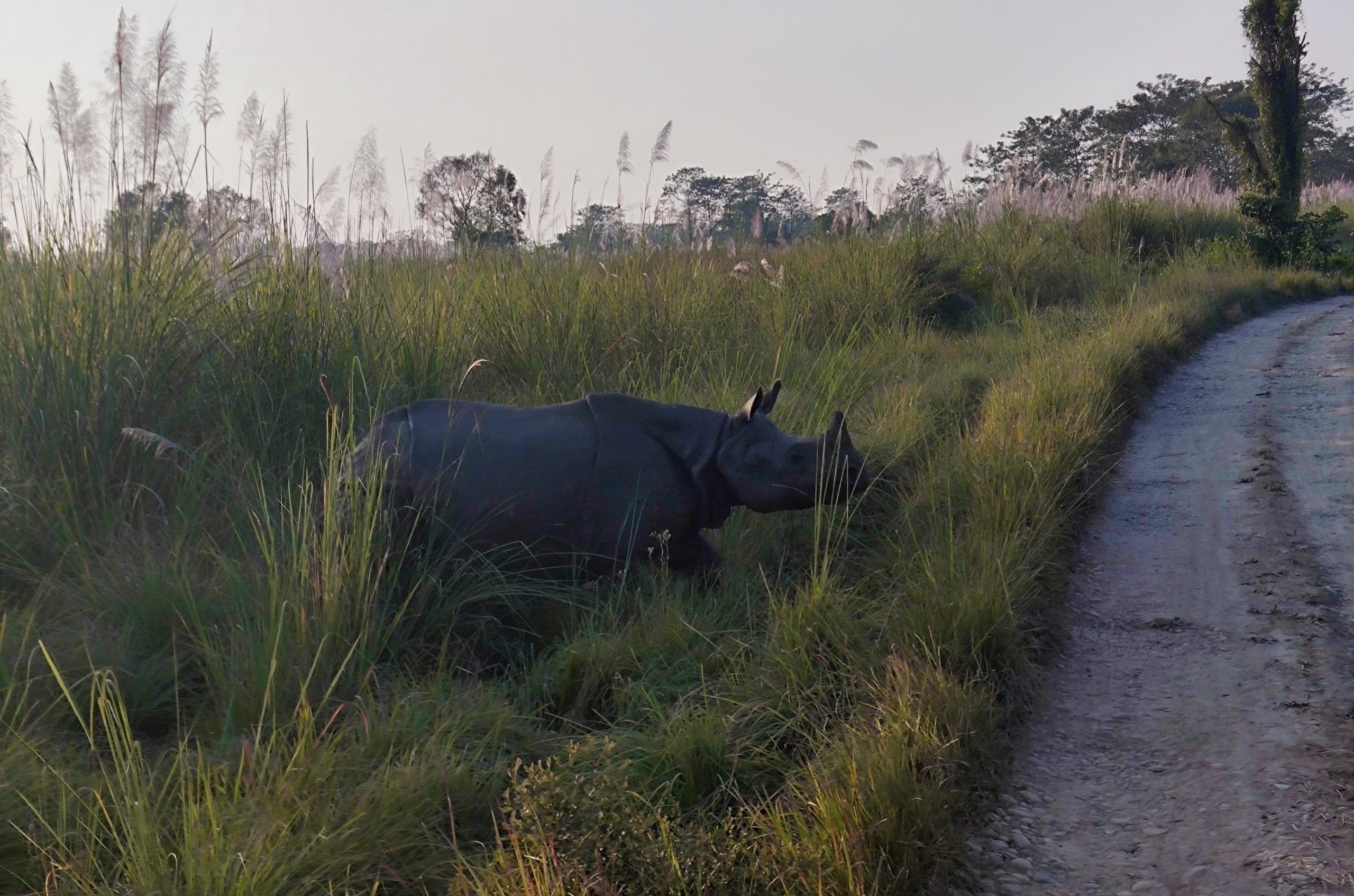
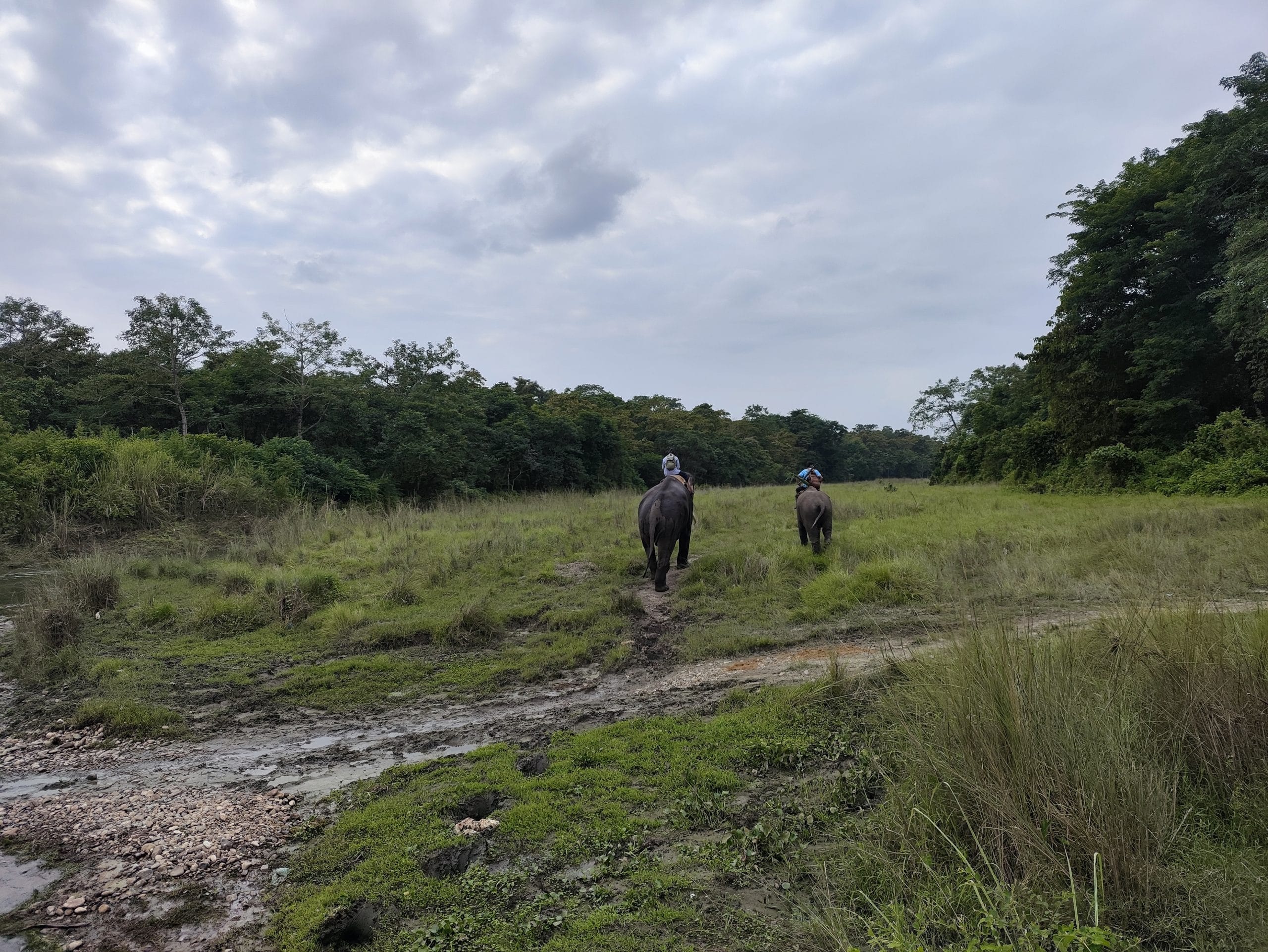
Situated in the lowlands of Nepal, Chitwan National Park is a UNESCO World Heritage Site and a leading example of successful conservation in Asia. The park protects diverse subtropical foothills, ox-bow lakes, and river floodplains, sheltering iconic wildlife including the Bengal tiger, great one-horned rhino, Asian elephant, and gharial crocodile. Research in Chitwan is focused on human-tiger interactions as the growing success of tiger conservation in the park necessitates stronger mitigation and coexistence strategies in buffer zones and nearby communities.
The Nepal program is very physically demanding and you should come prepared for long days hiking at high elevation. While completing fieldwork in the Annapurna region, students will be expected to hike 5-10 miles daily at elevations ranging from 12,500-14,500 feet. Prior experience hiking at altitude is helpful, but not required. A structured approach to acclimatization will be taken with several days spent hiking to higher elevations and sleeping at lower elevations. Arriving in Nepal with an adequate level of cardiovascular fitness is critical to a positive program experience.
From February to May, Nepal’s Annapurna region transitions from cold, dry winter conditions to warmer, more variable spring weather. At high elevations, February and early March remain cold with snow, freezing nights, and clear, crisp days, while conditions gradually soften through April as snow recedes and temperatures rise. By May, higher areas are milder but increasingly affected by cloud build-up and occasional pre-monsoon showers.
In the mid-hills, spring brings comfortable temperatures and generally stable weather with some afternoon clouds. In the lowlands of Chitwan, conditions shift to hot and humid by April and May, with rising temperatures and the early influence of monsoon moisture bringing intermittent rain and thunderstorms.
Our academics complement and deepen the field research and are designed to be interactive and hands-on. You can expect to dedicate a few hours each day to working on your field journals, engaging in group discussions on relevant articles, participating in lectures and class activities, and deepening your understanding of natural history. Guest lectures, when possible, will further enrich your knowledge of conservation and land-use planning in the area. Each program culminates with the completion of a final written research paper, focusing on one aspect of the project, accompanied by a presentation.
Unlike a traditional college setting where lab work typically supplements classroom lectures, our students learn primarily in the field with supporting academics designed to enrich the hands-on experience. This type of applied learning is both challenging and rewarding, as you are pushed to learn in ways that differ significantly from a standard classroom environment.
All courses and field activities are conducted in English. While Nepali is the official language of the country, English is widely spoken and commonly used in education, tourism, and by many local partners involved in the program.
You will live, research and learn alongside approximately 6-10 fellow students, providing valuable experience in communal living and project management. You will be expected to contribute to shared responsibilities including maintaining clean and organized communal spaces, logistics planning, risk assessment for projects, and data entry.
Given the remote nature of our programs and the importance of maintaining group safety, students may not participate in high-risk activities, including rock climbing or mountaineering, during the program, including during free time.
Schedules will vary depending on the needs of projects, academics, and group well-being, as well as the specific program location, with time off interspersed for relaxation or local exploration. During camp days, your time will be spent on academics, project planning, downtime, and chores. On field days, you will be hiking and researching, with interspersed academic sessions. Evenings are typically spent socializing and relaxing.
Due to the dynamic and remote nature of our programs, schedules will often change frequently, so we ask that you be flexible and adaptable. We encourage students to arrive with a positive attitude and a willingness to learn, embracing the opportunity to be part of a tight-knit team and make the most of their experience.
The nature of the program schedule means that independent travel away from the group is not possible while on the program.
Before the program, you will need to complete several paperwork packets and attend an orientation session. For detailed information on these requirements, as well as important details such as vaccine recommendations, please refer to our pre-departure page.
Visas are required for students on the Nepal program.
Details about travel and visas will be included in the information packet you’ll receive upon acceptance into the program. Do not independently apply for a visa. We will provide you with further instructions concerning the process.
You are responsible for your personal gear while on the program. Here is a short list of necessary, big-ticket items required for a semester in Nepal. A comprehensive packing list tailored to your specific program will be provided post-enrollment. Group gear and field equipment is provided on the program.
Student research on the Round River Nepal program supports our local non-profit partner, BIOCOS-Nepal (Biodiversity Conservation Society Nepal). Research is also supported by Dr. Jeff Muntifering, Conservation Biologist at the Minnesota Zoo and Science Advisor to Save the Rhino Trust and BIOCOS-Nepal.
Student groups contribute to research on focal species including snow leopard, common leopard, musk deer, blue sheep, Royal Bengal tiger, Himalayan black bear, and Himalayan pheasants. Research objectives center around core values of community involvement and human-wildlife coexistence. You will have the opportunity to develop an array of field skills including wildlife tracking and surveying, camera trapping, human-wildlife conflict assessment, GIS-based habitat mapping, vegetation surveys, and birds of prey counts.

Photo by O. Yadav
We use cookies to improve your experience on our site. By using our site, you consent to cookies.
Websites store cookies to enhance functionality and personalise your experience. You can manage your preferences, but blocking some cookies may impact site performance and services.
Essential cookies enable basic functions and are necessary for the proper function of the website.
These cookies are needed for adding comments on this website.
Google reCAPTCHA helps protect websites from spam and abuse by verifying user interactions through challenges.
Statistics cookies collect information anonymously. This information helps us understand how visitors use our website.
Google Analytics is a powerful tool that tracks and analyzes website traffic for informed marketing decisions.
Service URL: policies.google.com (opens in a new window)