

I had the privilege of returning to the Darhad Valley this summer as a UC Davis Summer Undergraduate Research Program (SURP) Scholar, given the funding to pursue my independent research in collaboration with Round River, the National University of Mongolia (NUM), and the Zerbe Lab at UC Davis. My project focuses on the medicinal properties of Vansemberuu (Saussurea dorogostaiskii), a “snow lotus” species of extreme significance to the Darhad community, and emphasizes not only international collaboration, but interdisciplinary collaboration as well.
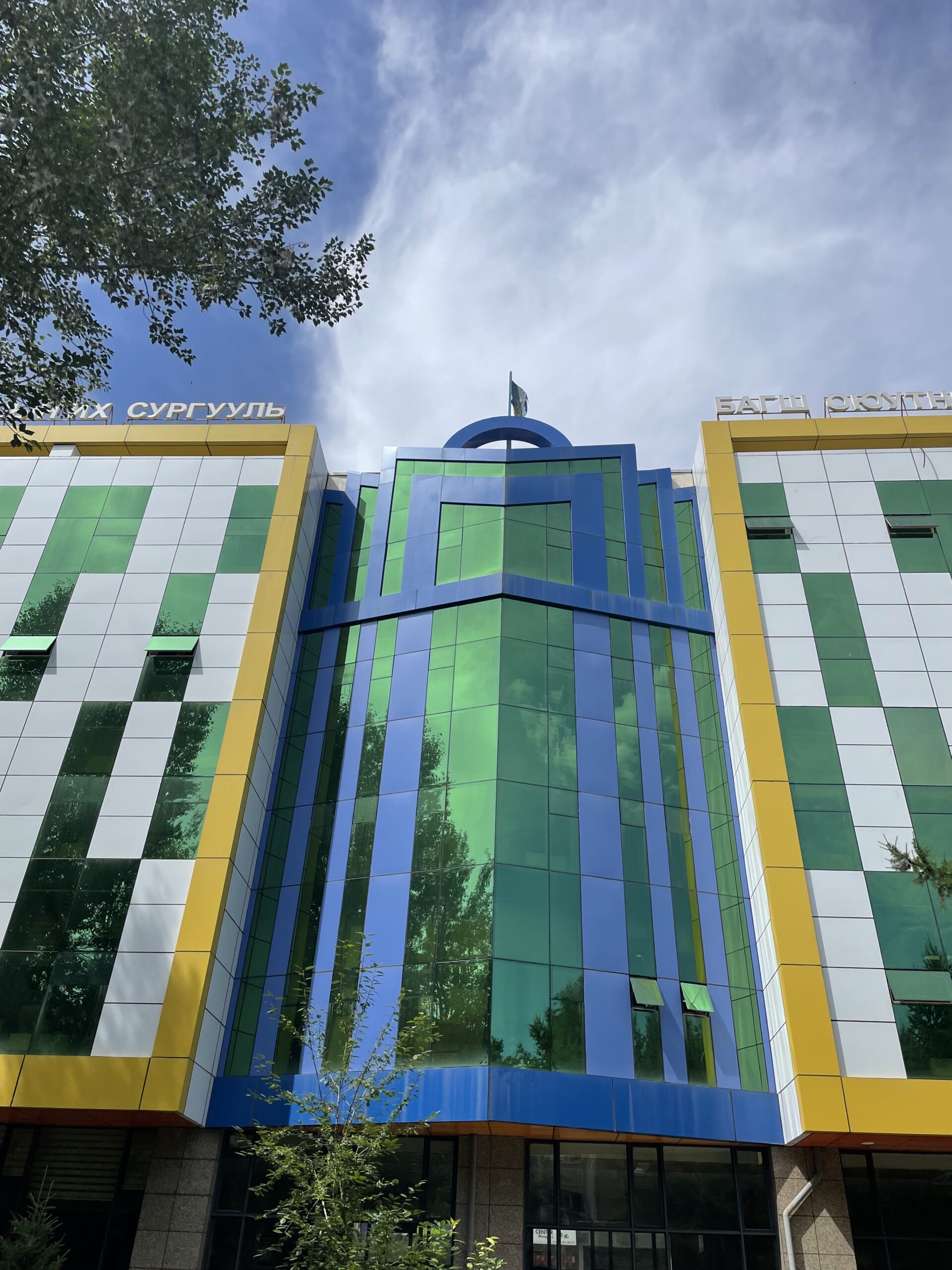
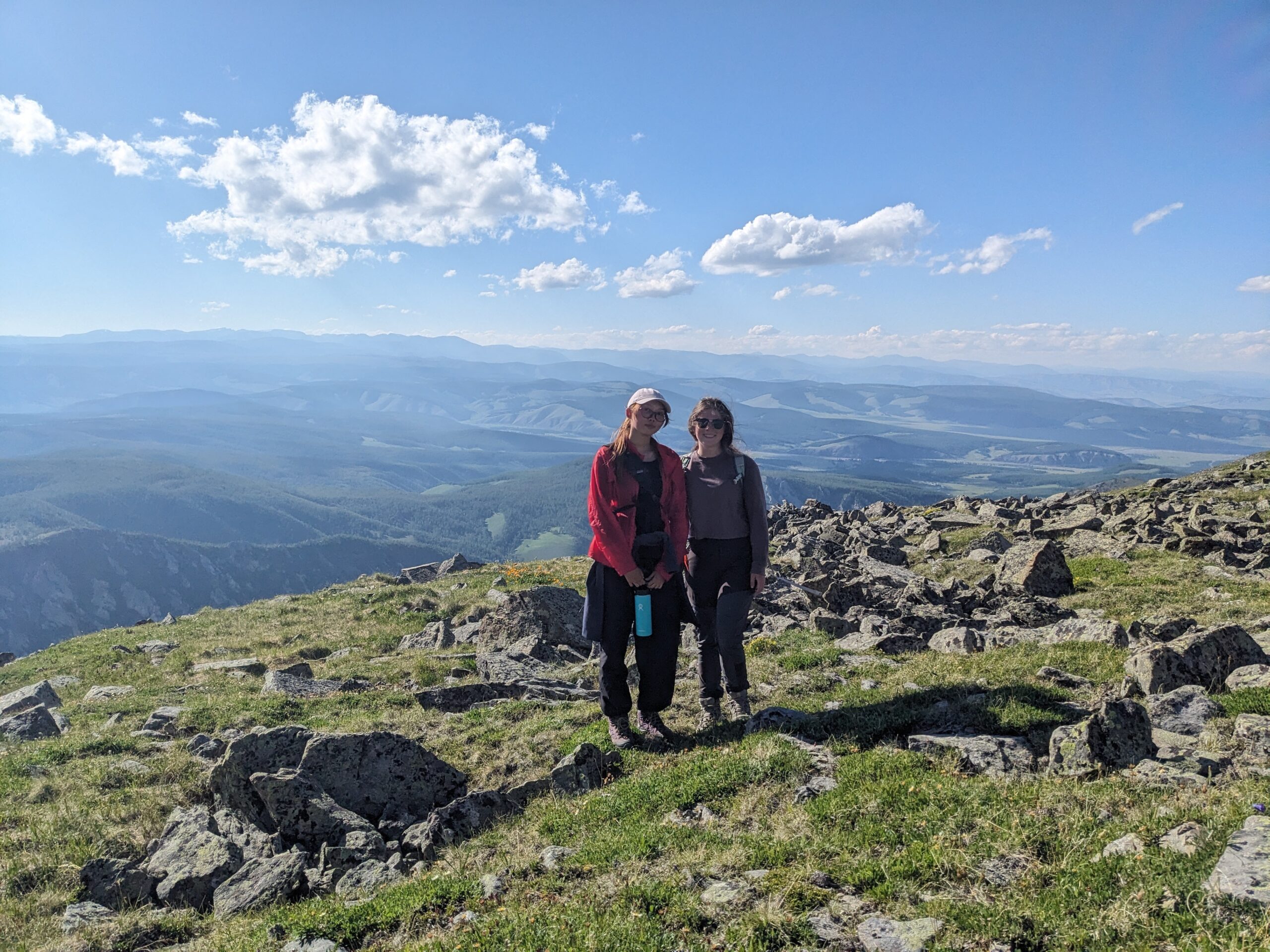
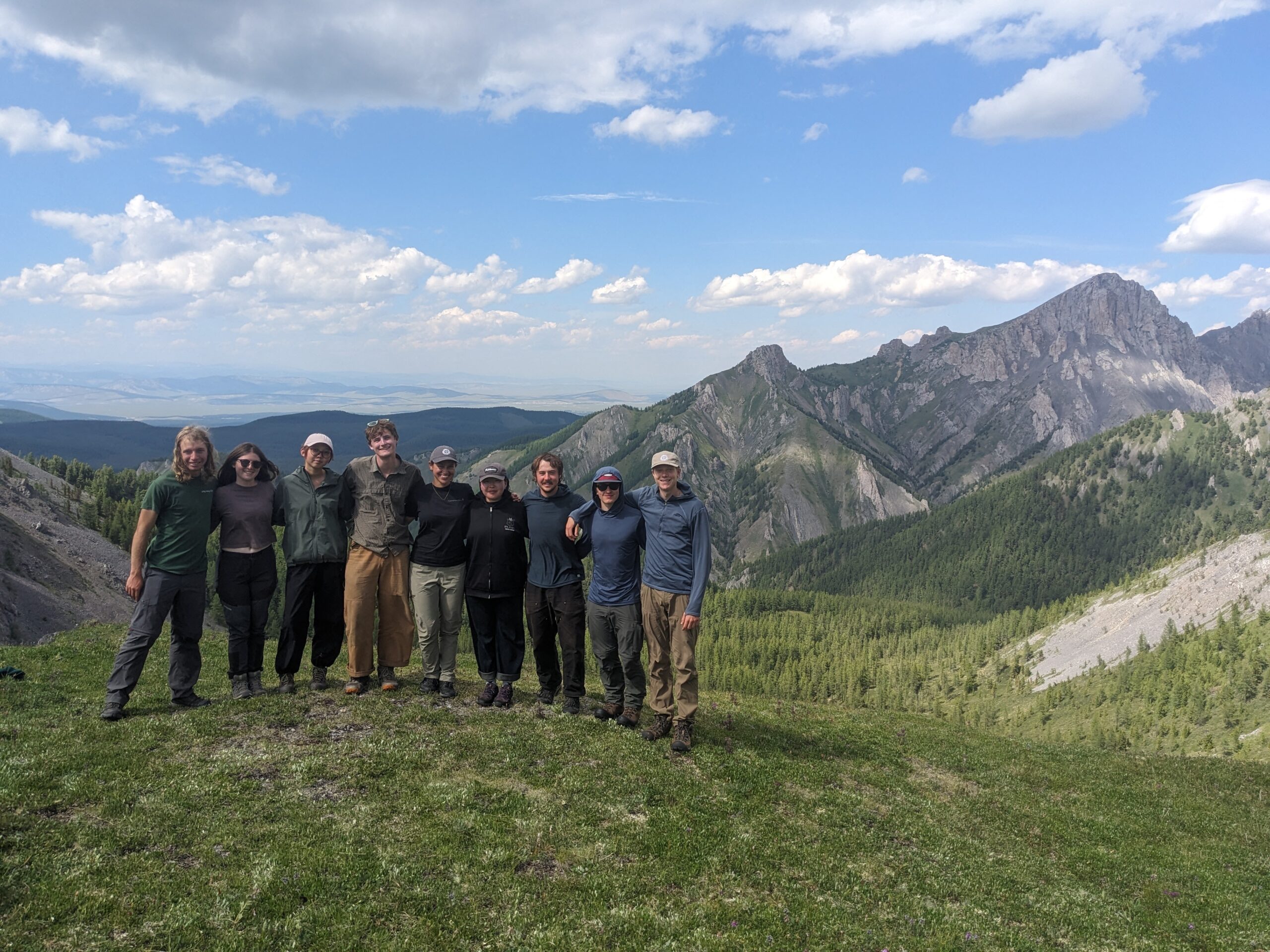
I spent July in Mongolia and split my time between the NUM campus in Ulaanbaatar and the Darhad Valley, where I reunited with RRCS instructors from my time as a student and got to hang out with the 2026 summer cohort! Additionally, I was accompanied by Namuun Radnaabaatar, a wonderful and talented undergraduate at NUM studying biology and biophysics. We joined the RRCS students and instructors on their Vansemberuu trip and helped out with data collection on transects and quadrants while collecting samples for our own work. We also got to join the celebration of the Darhad Horde, a wrestling, archery, and horseback racing tournament out in the valley.
After returning to California, I spent the remainder of the summer analyzing data from the Vansemberuu samples we gathered and preparing a presentation for the UC Davis SURP Symposium. So far, I’ve found some interesting data regarding sesquiterpene lactones, a class of chemical that is abundant in other “snow lotus” species and may contribute significantly to their medicinal properties. Identifying these key chemicals, as well as gaining a broader understanding of Vansemberuu’s metabolic composition as a whole, can contribute to conservation efforts by providing alternatives to the poaching that threatens the species.
We faced plenty of challenges working on this project, including being stranded in Mörön, having our research supplies held up at customs, and teaching myself the ins and outs of LC-MS/MS analysis. (In addition, I had to watch many of the World Cup matches in Mongolian!)
This work would not have been possible without the support and guidance of Namuun, the RRCS instructors (Chris, Badmaa, and TJ), the Ulaan Taiga SPA park rangers, and my labmates back home. It was a summer full of the most amazing and rewarding experiences, and while it was certainly challenging, I wouldn’t have had it any other way!
Previous Update – June 2026:
I am excited to be returning to Mongolia this summer with support from the UC Davis College of Biological Sciences’ Summer Undergraduate Research Program (SURP), which supports a small cohort of undergraduate researchers in the life sciences, providing funding, mentorship, and presentation experience. As part of the summer 2026 SURP cohort and a researcher in the Zerbe Lab, I will work with Darhad Valley park rangers and Round River’s Chris Smith and Badmaa Dovchin, as well as foster new connections with researchers at the Molecular Cellular Biophysics Lab at the National University of Mongolia, to continue a project I began as a student on the Round River Mongolia program.
I was originally motivated to develop this project during the Mongolia Summer 2025 program after hearing Darhad elders talk about the importance of Vansemberuu and how they wished western science and Traditional Ecological Knowledge (TEK) could be brought together to study it. Vansemberuu is a medicinally and culturally significant plant found in the Darhad Valley. Our research on Vansemberuu will combine conservation biology, metabolomics, and ethnobotanical approaches to develop an understanding of the medicinal compounds produced by the plant. Our ultimate goal is to share the knowledge we gain from this project with the broader Darhad community in order to unite western science and TEK, and engage younger generations about Vansemberuu.


Choosing to join Round River as a student on the Mongolia 2025 summer program really was one of the best decisions I’ve made in college. I’m so thankful to have had such incredible experiences and to have made lasting friendships. Beyond that, my time in Mongolia also inspired me to think outside the box when it comes to my future career. As a double major in the humanities and STEM, I wholeheartedly believe in the power of interdisciplinary research to solve global challenges, and my time with Round River has shown me that I’m not alone in this.

The real-world impact and importance of this research — and Chris and Badmaa! — have inspired me to keep going, and to be committed to making it a reality even when it has felt impossible (and trust me, it has!). But once you’ve sprinted down a mountain in Mongolia in the middle of a lightning storm, you realize that “impossible” is pretty subjective.
Although it’s certainly going to be a different experience this time around, I’m excited to return to Mongolia this summer and work on a project that gives back to the Darhad community!