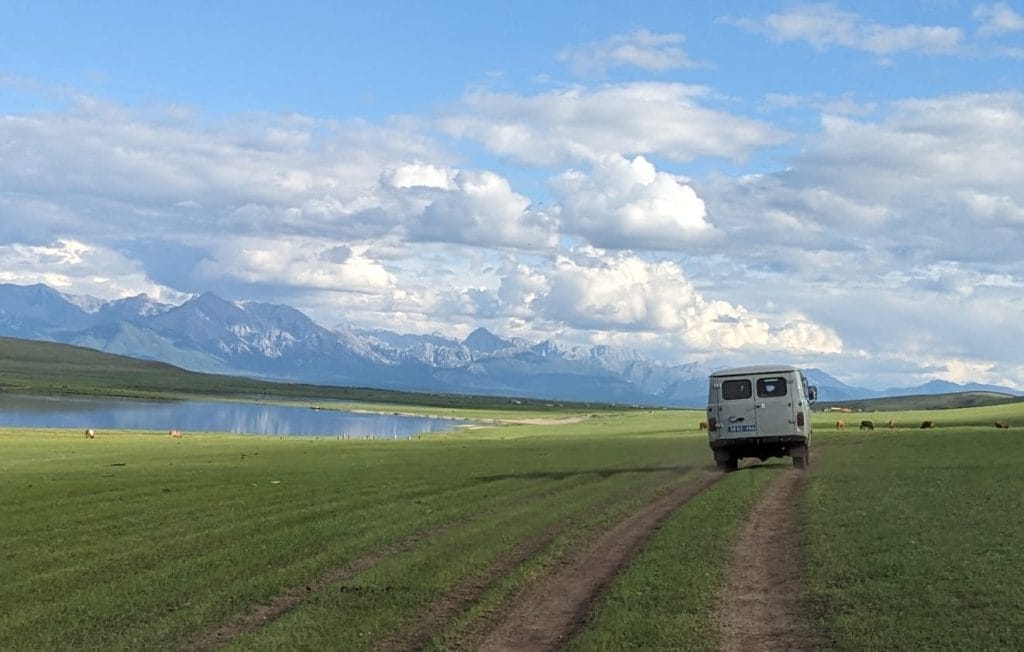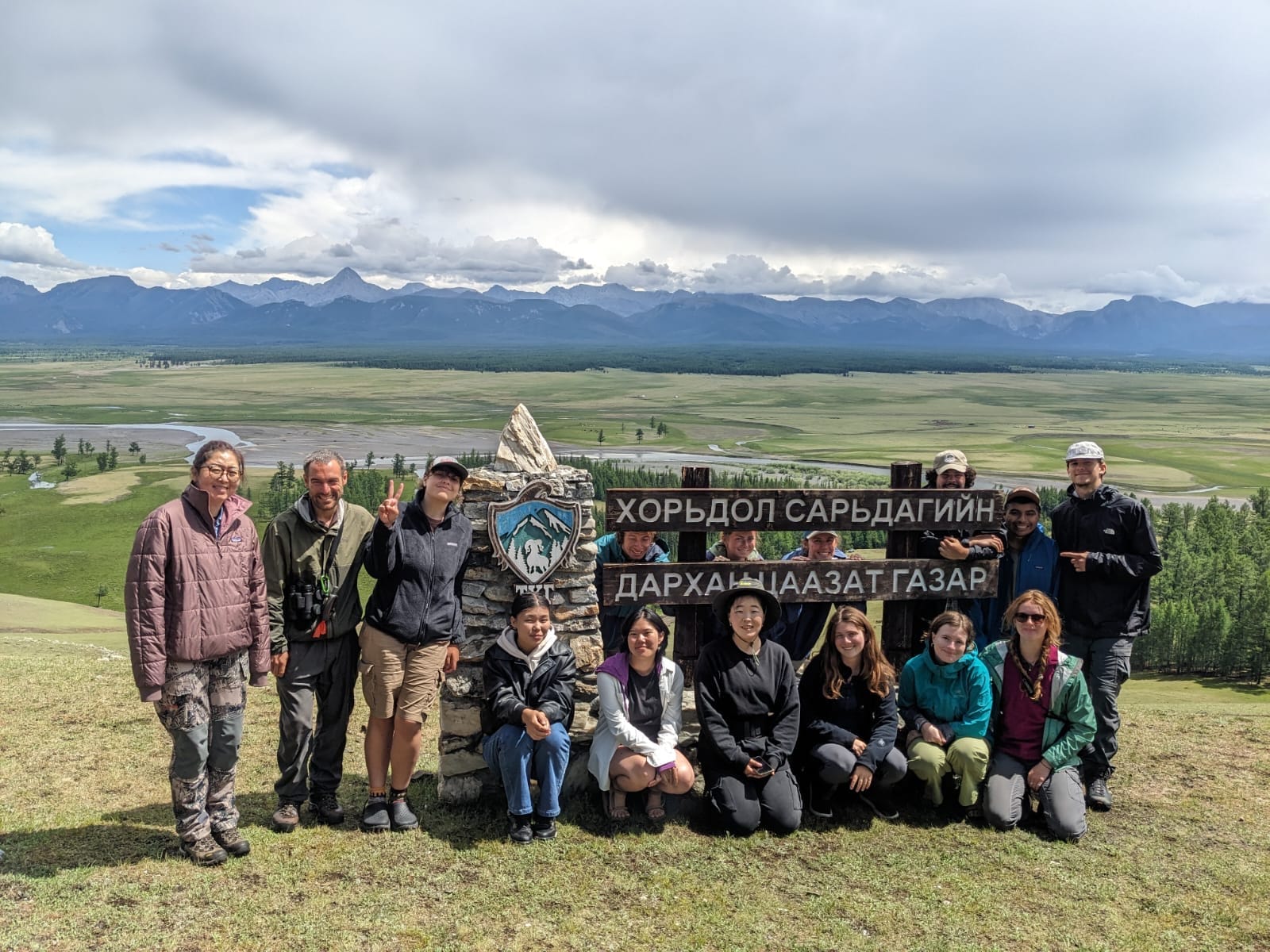
Photo above: Mongolia Summer 2025 Student Program cohort.
By Chris Smith, Mongolia Program Instructor
Summer 2025 in Mongolia was, as always, an eventful program!
Mongolia ‘22 alum TJ Guercio returned to the program this year as Program Assistant, and quickly took the lead on our inaugural drone research efforts. Our new DJI Mini 4k was put to work counting cormorant nests, monitoring the spatial patterns of Daurian pika (Ochotona dauurica) colonies, surveying endangered vansemberuu (Saussurea dorogostaiskii) plants, and peering into the waters of the Tengis-Shisged River to look for Siberian taimen (Hucho taimen)– the world’s largest salmon.
Footage of the Darhad Valley captured by the new research drone. Credit: C. Smith, T. Guercio & A. Stevens
When using new aerial technology to monitor wildlife, it is important to ground-truth, and our cormorant nest counts from the drone matched surprisingly well with those collected by students on the island. Our team of 10 students spent over 100 total hours counting vansemberuu across three hectares of steep talus slope, while the drone surveyed the same area in just 45 minutes. With a few more tests of the drone’s detection rates, we hope that next year local rangers will be able to simply plug in pre-programmed flight paths and push a button to start their own monitoring programs. Similarly, we hope to get video counts on taimen redds (nests) next June, which will provide baseline data on how reproduction of this amazing fish is faring under high levels of fly fishing pressure.
This semester was our best yet for camera trap monitoring, with over 50 units retrieved. In Tengis-Saridag National Park, the first estimates of occupancy rates of wolverine, lynx, marten, bear, and wolf were made using our camera trap footage. In addition, another elusive critter was caught on our cameras for the first time: the snow leopard! These majestic cats have only recently been documented returning to the Horidal-Saridag Mountains, and the images we captured are some of the park’s best. The return of apex predators to these mountains, after wildlife populations were decimated in the 1990s, is a testament to the extraordinary dedication of local rangers over the last 20 years. Documenting this recovery with camera traps will hopefully strengthen local support and connection to these wild species.
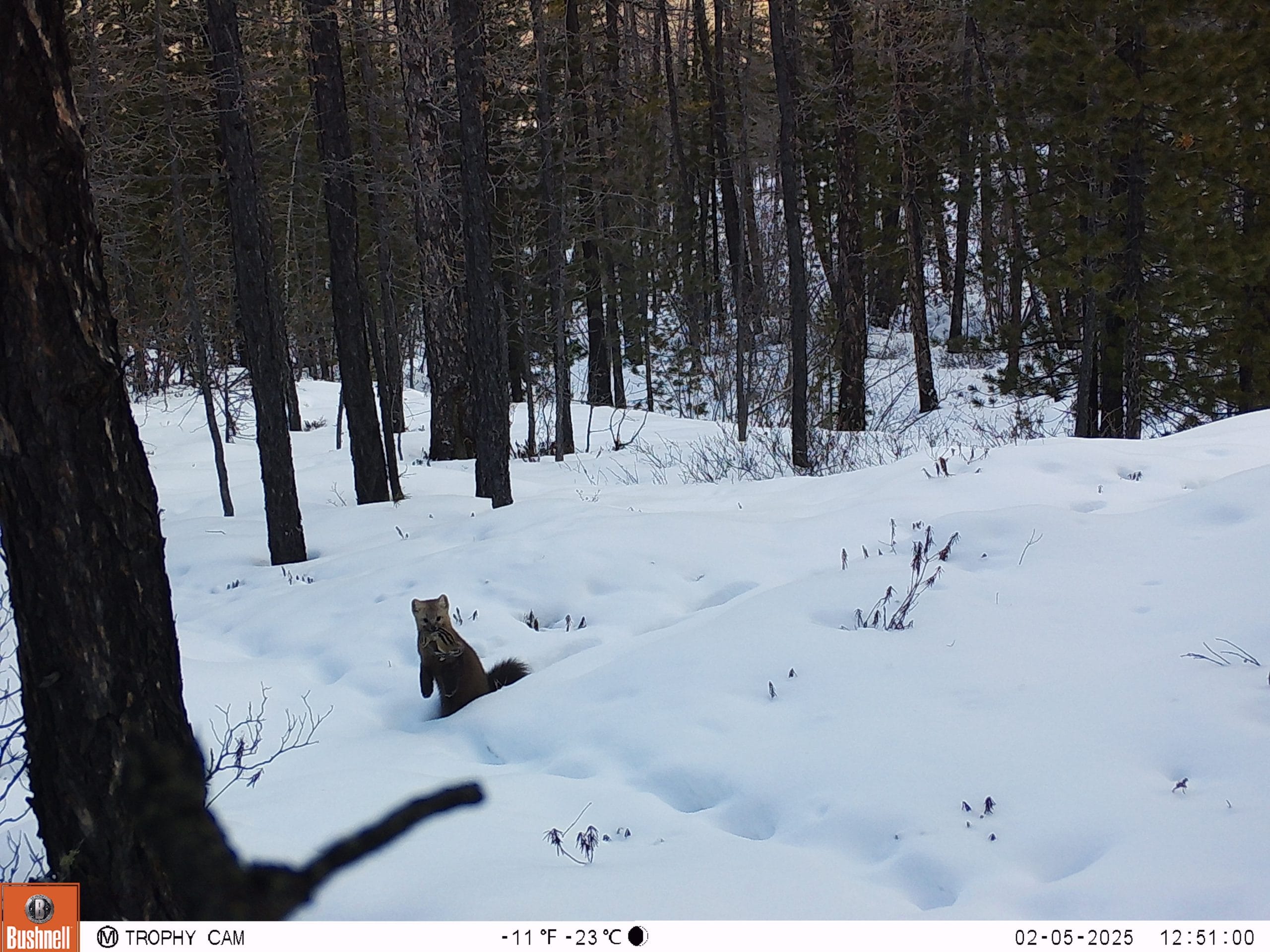
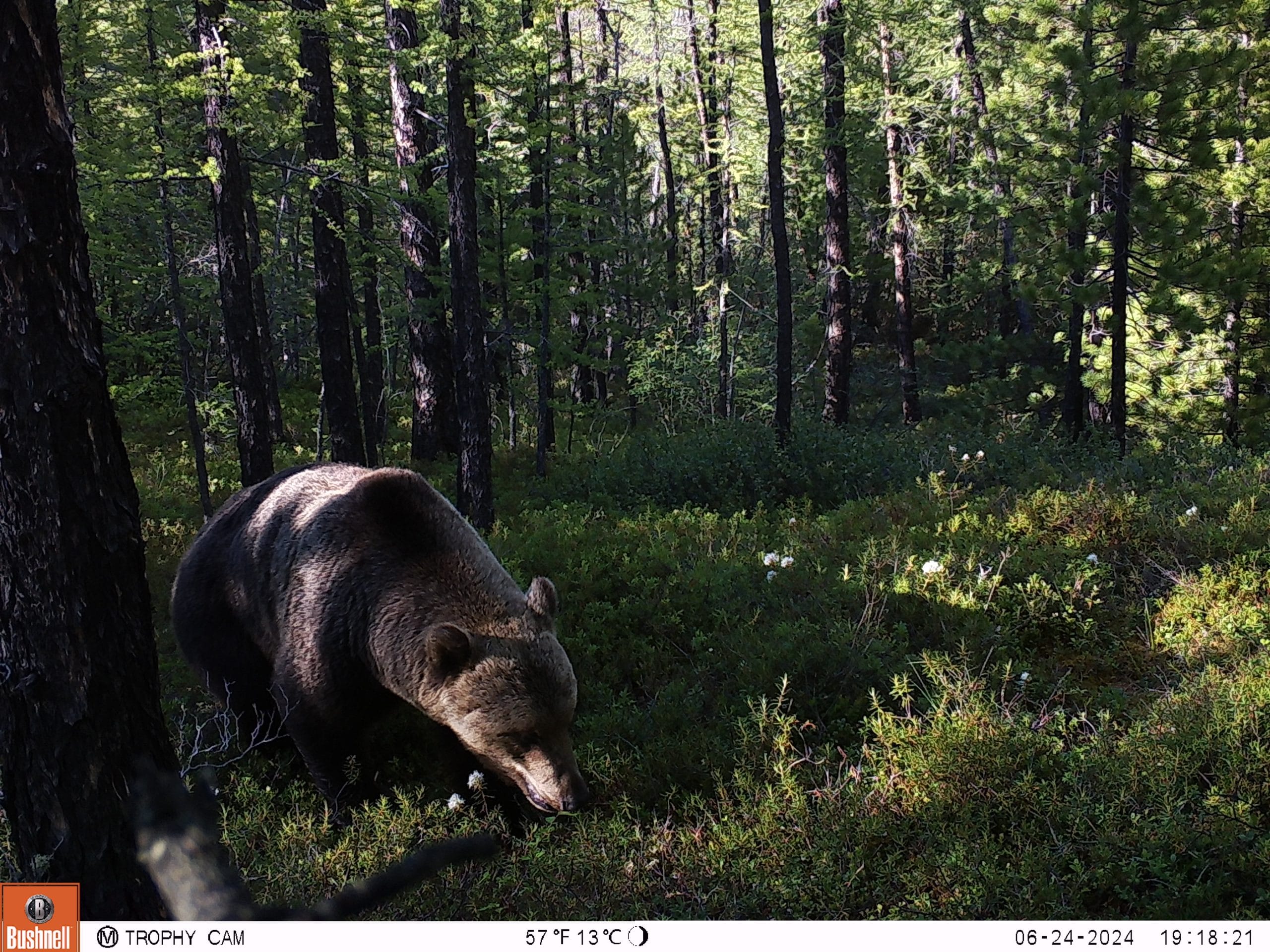
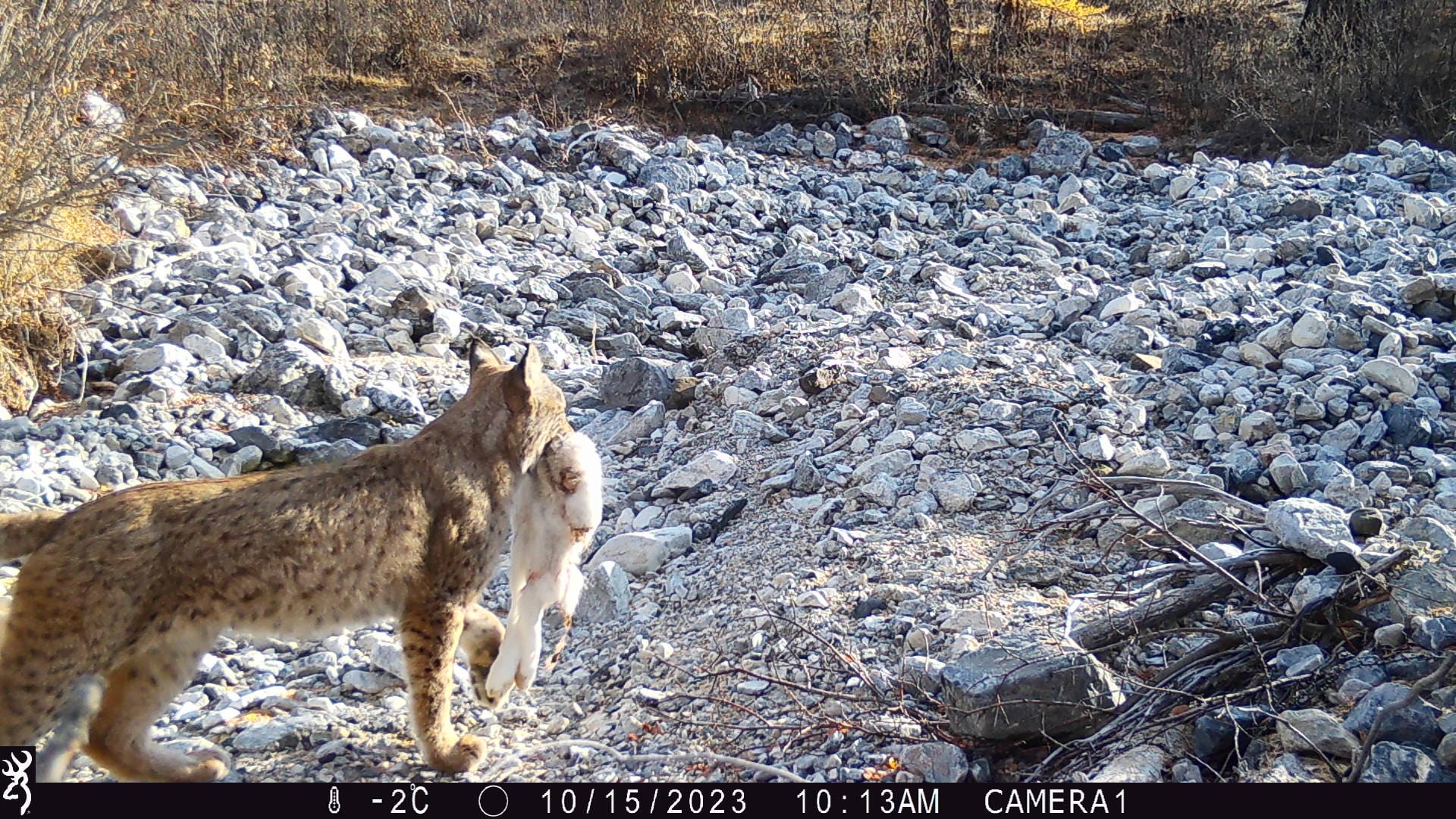
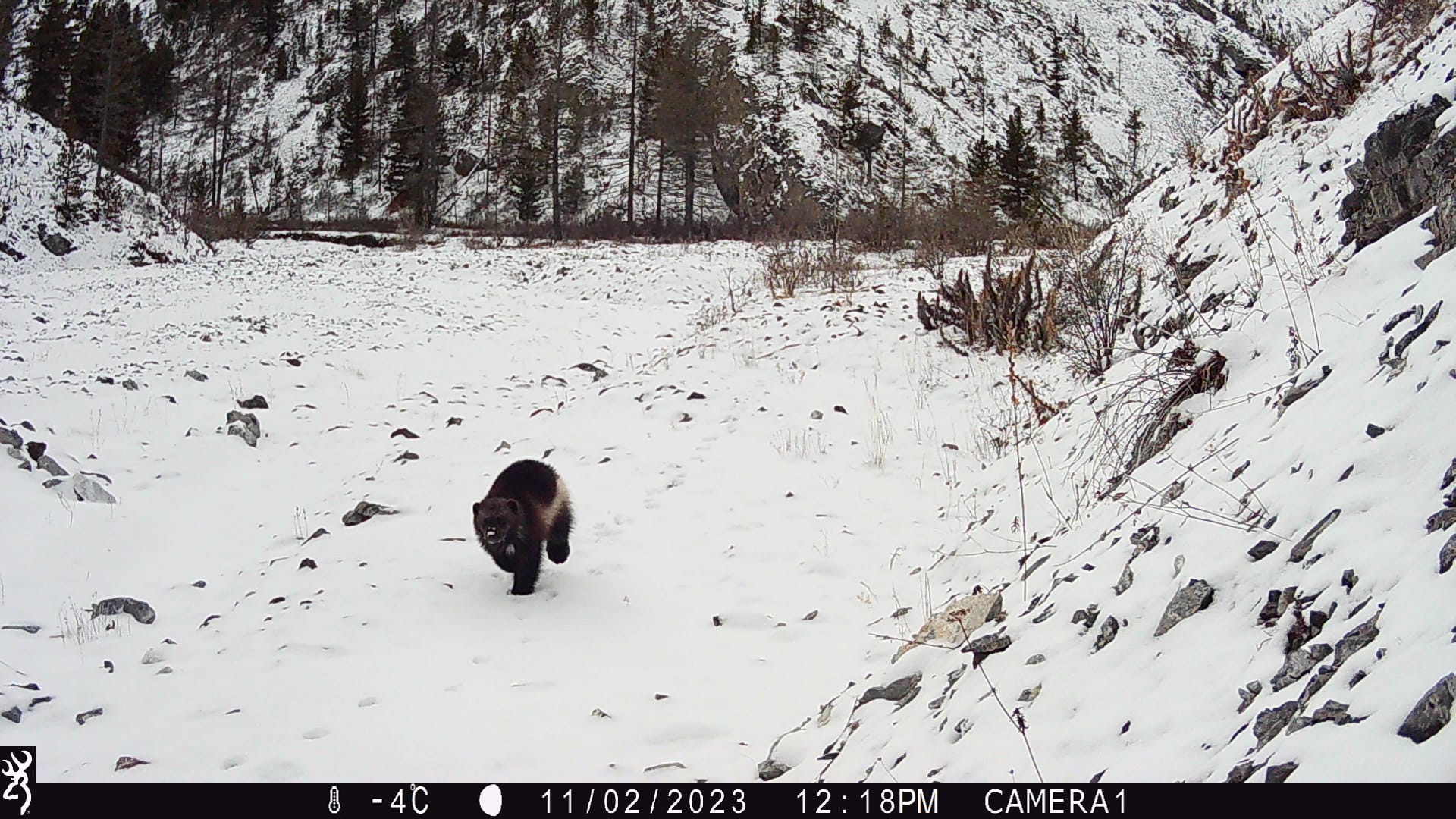
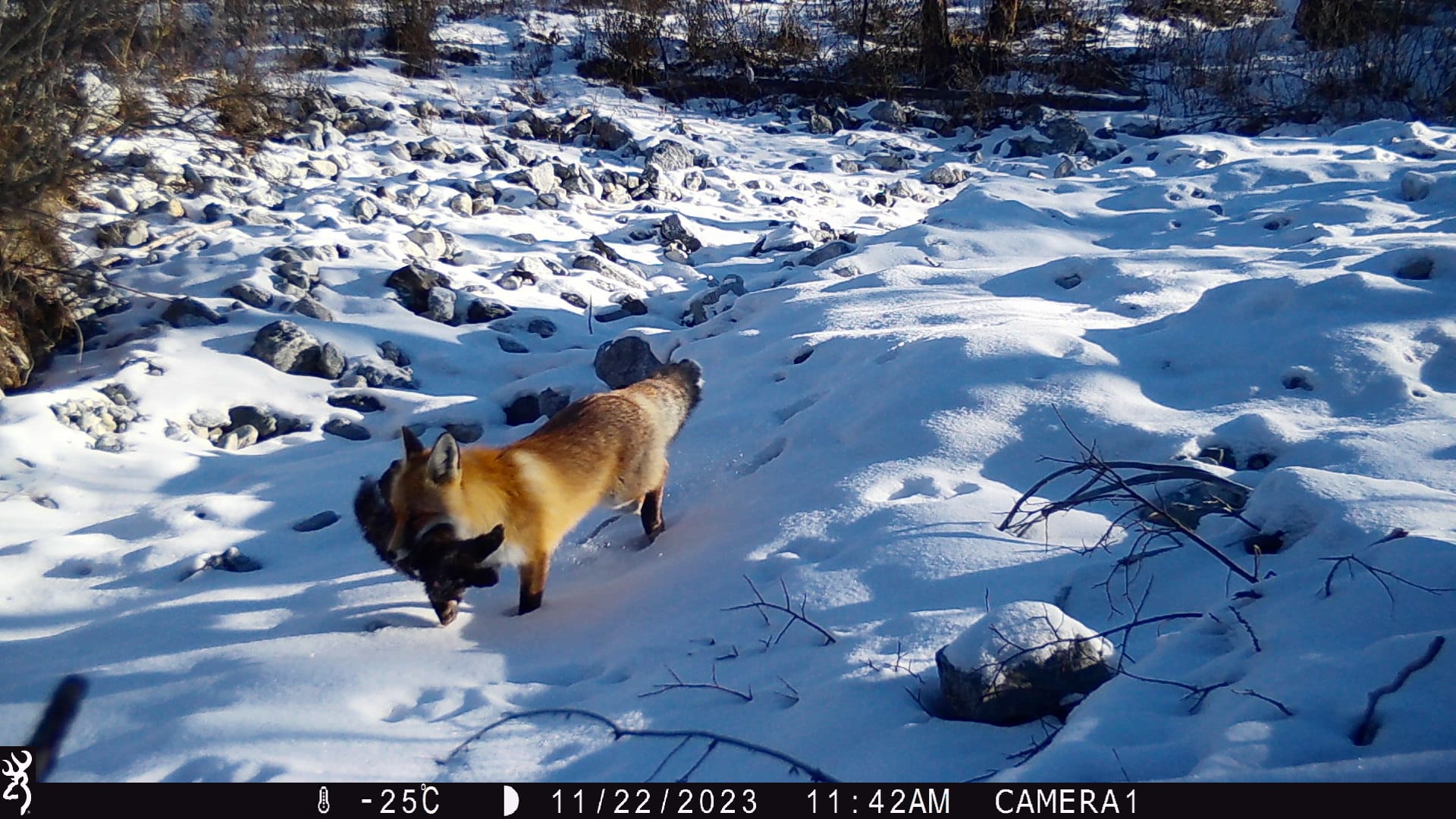
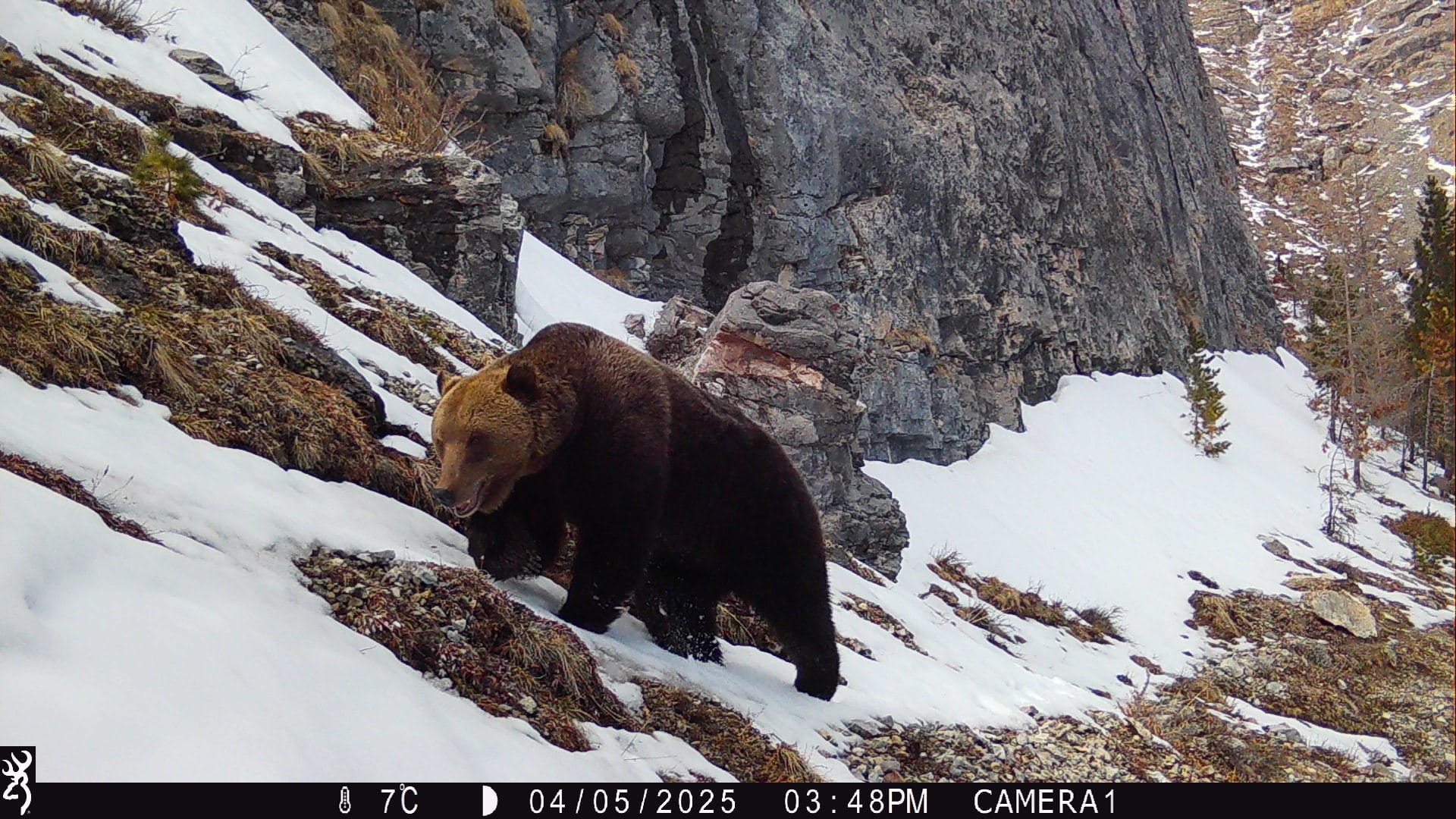
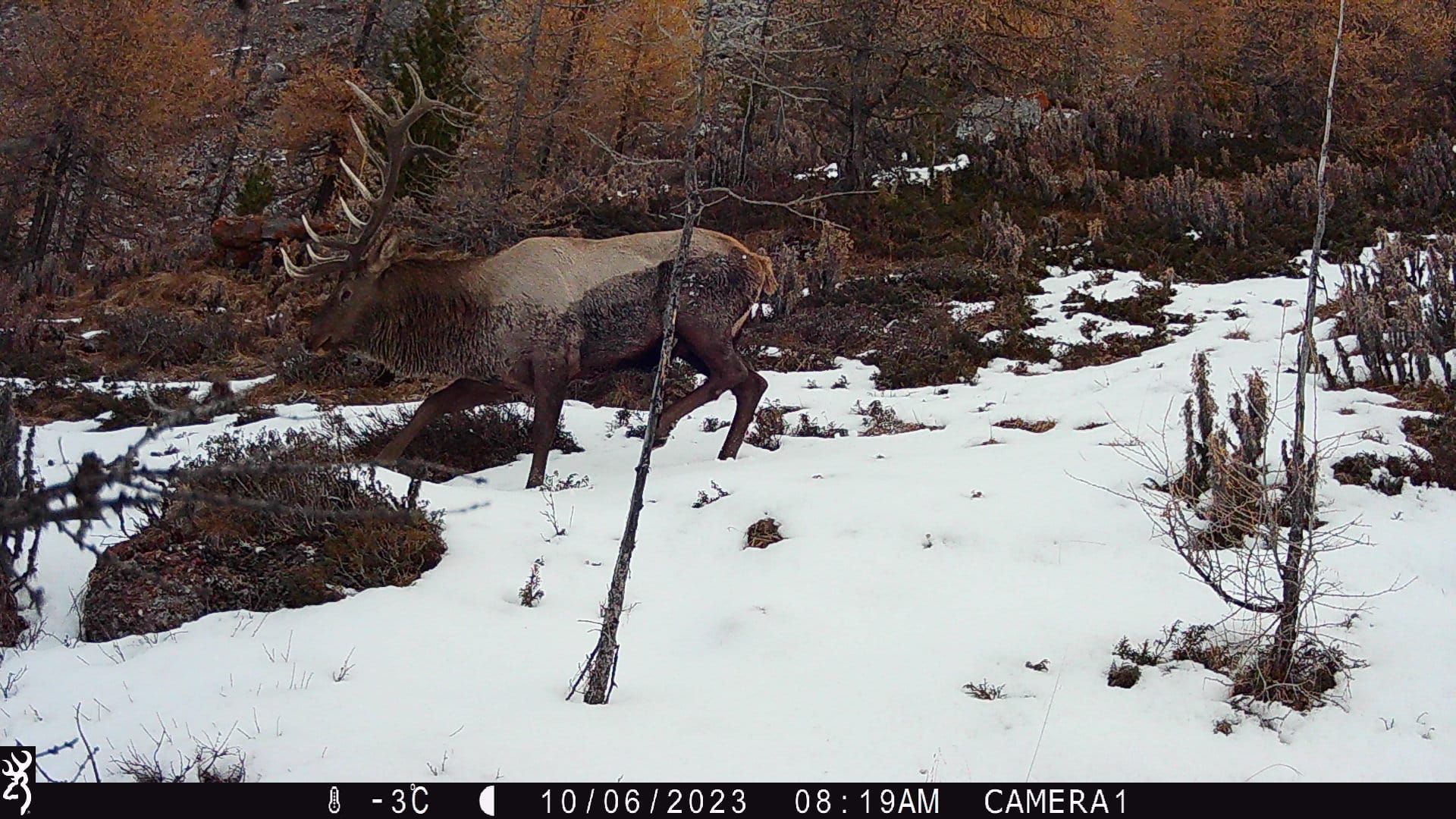
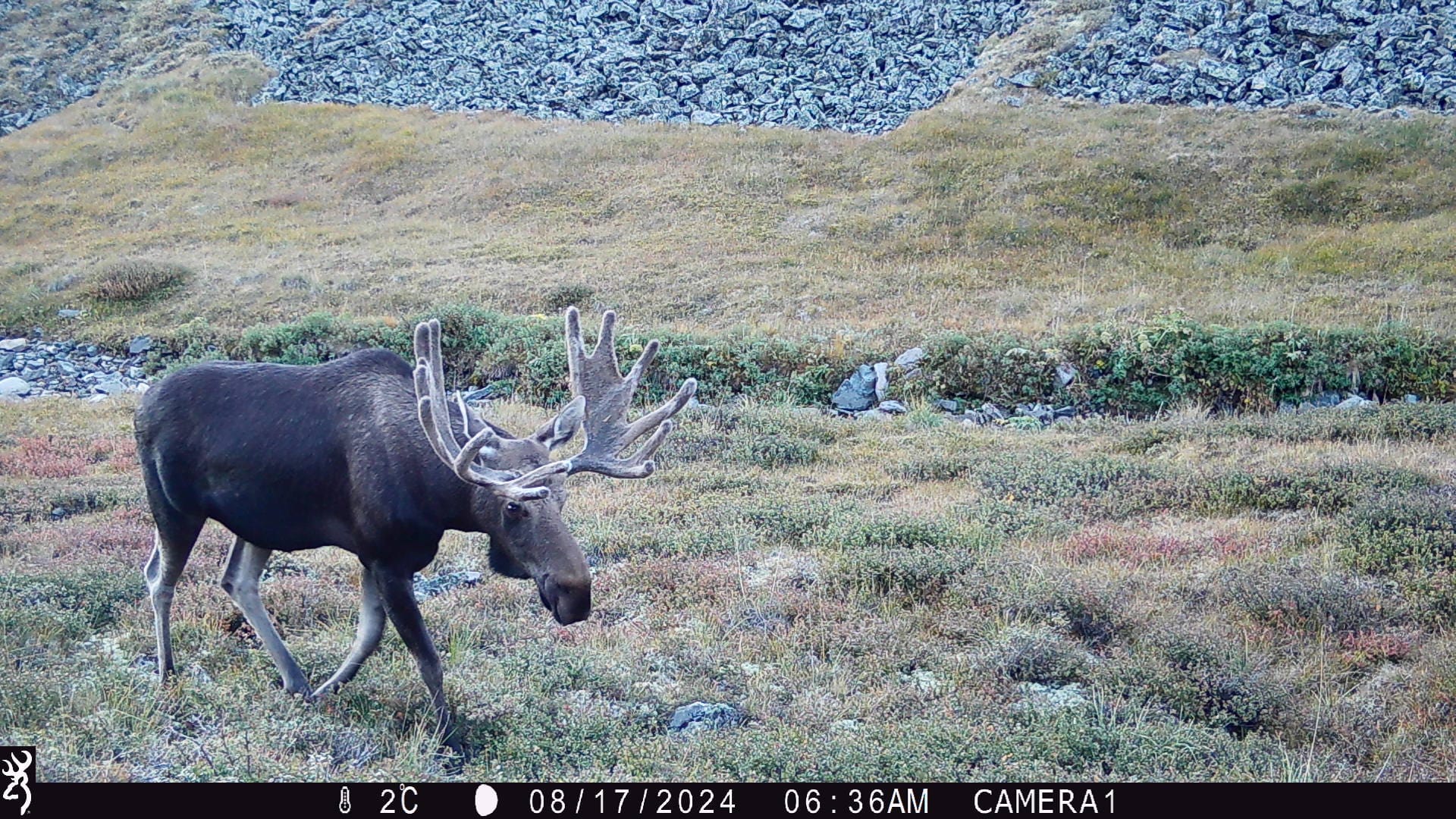
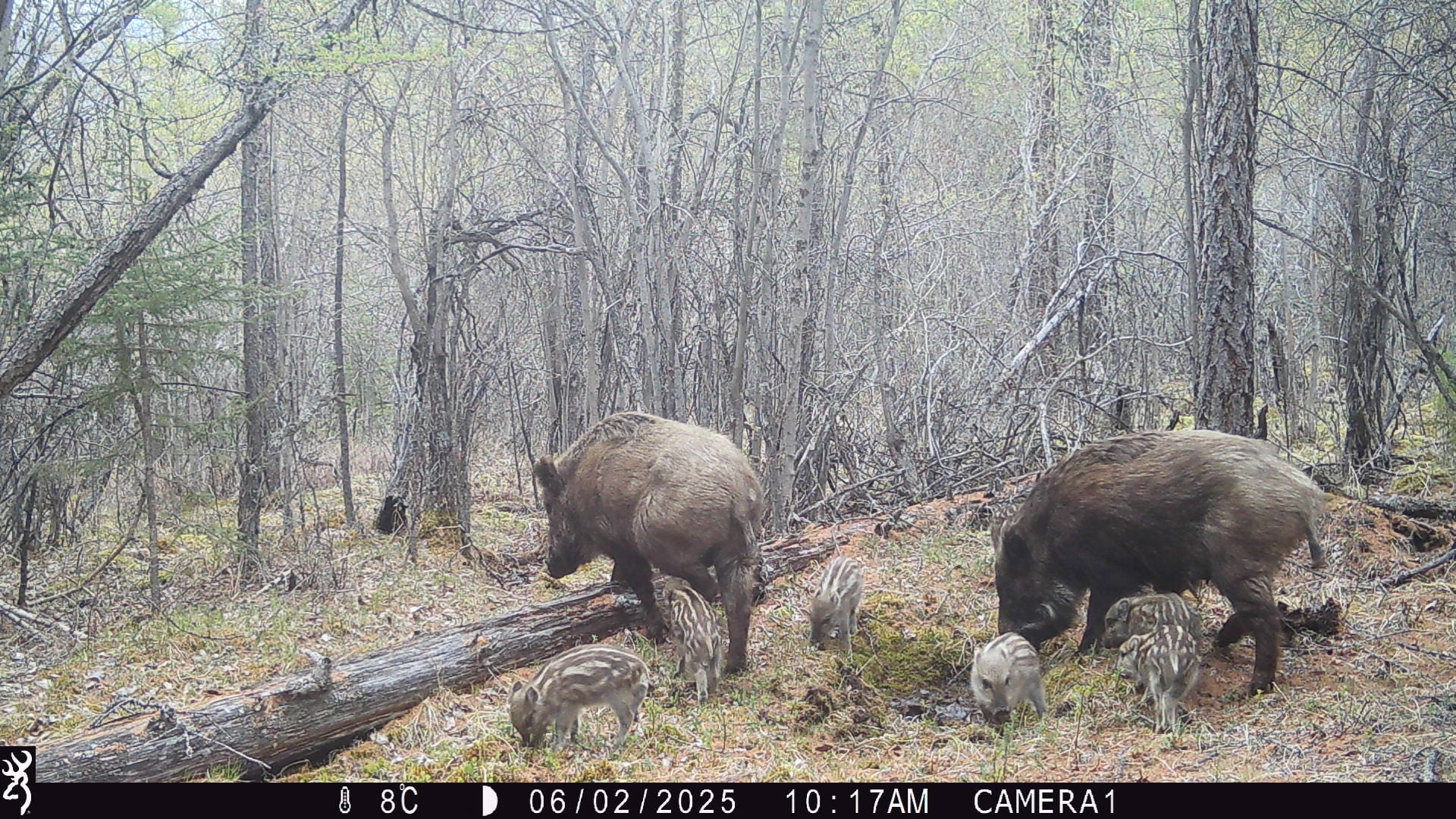
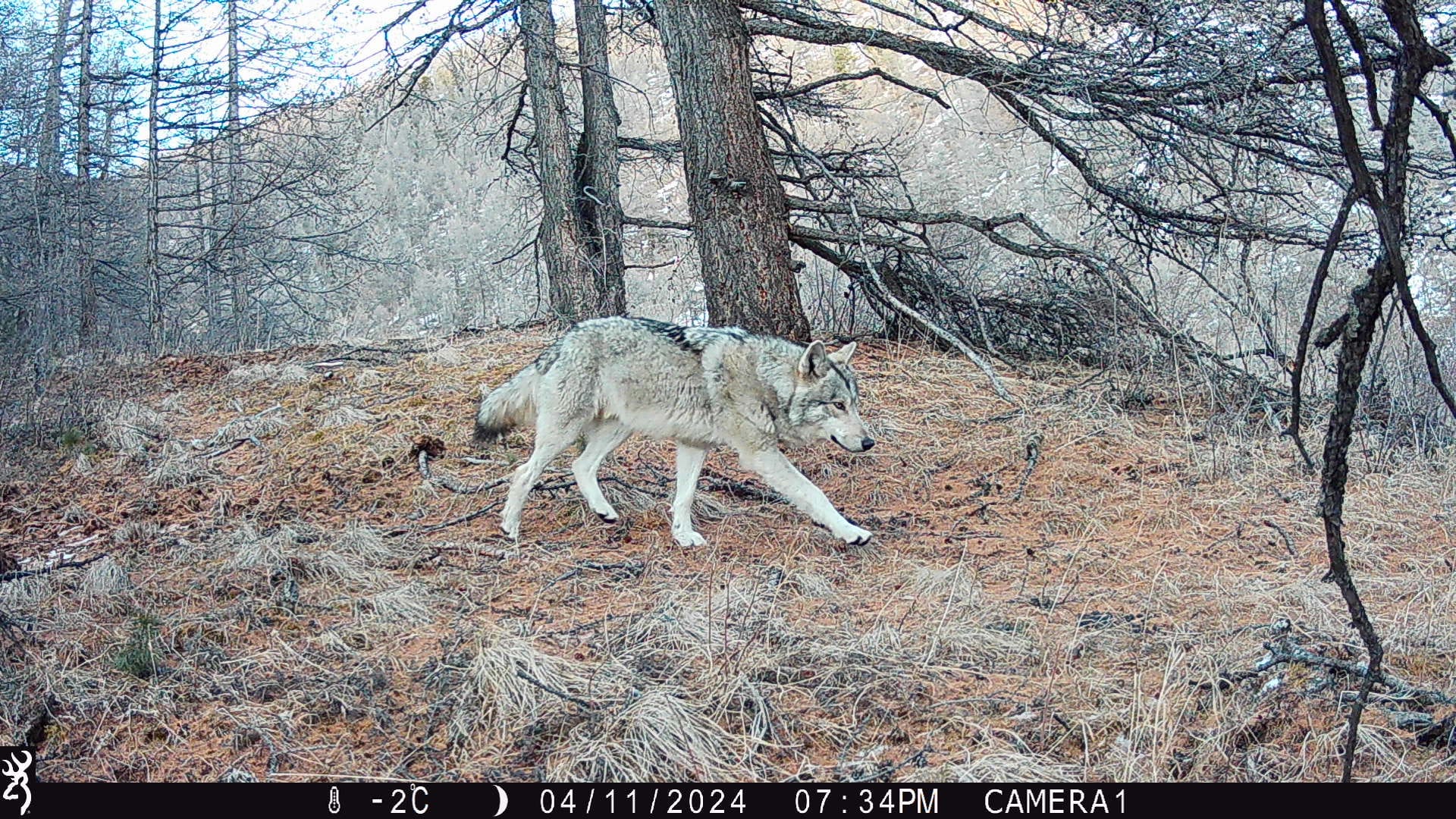
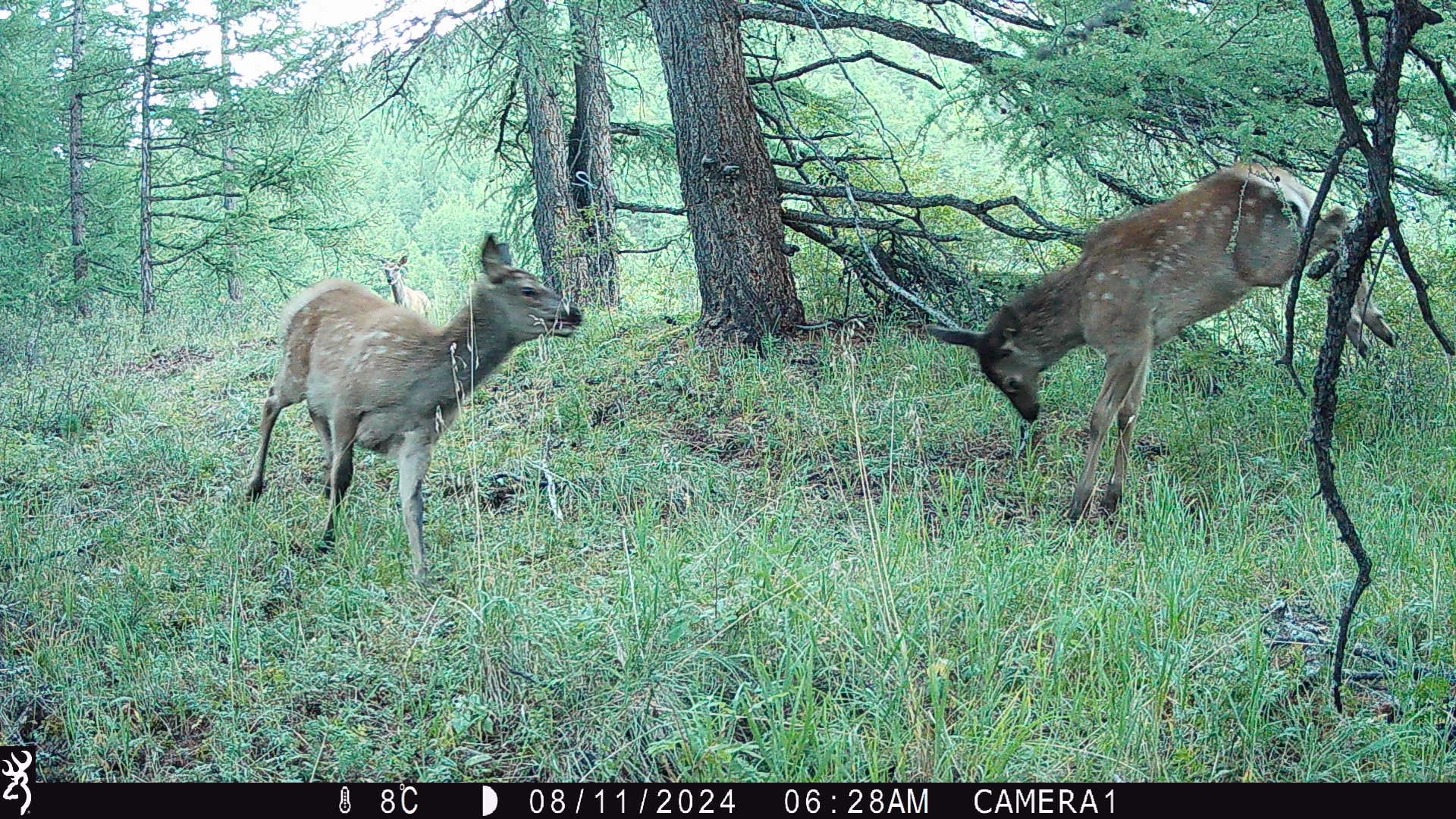
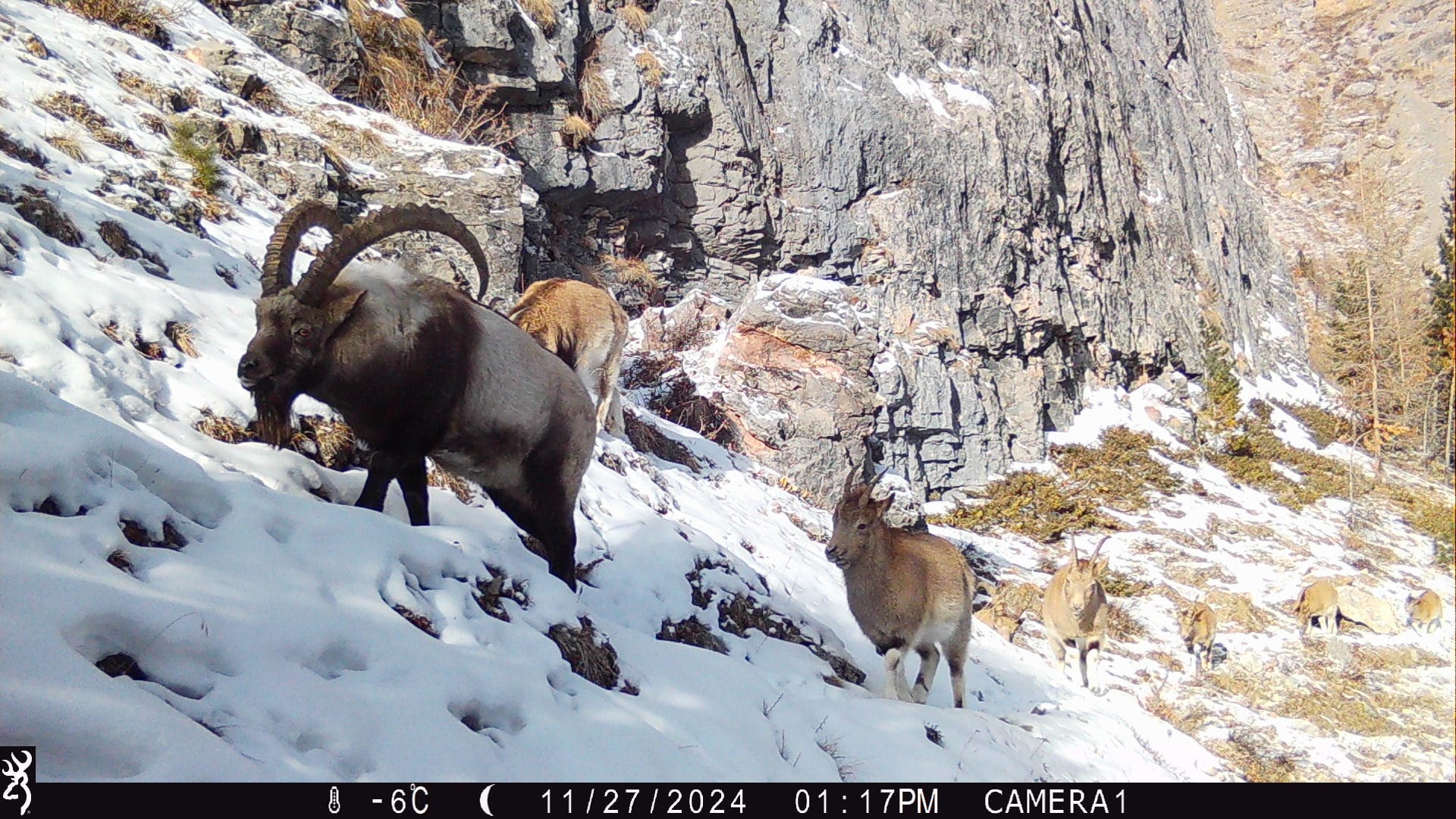
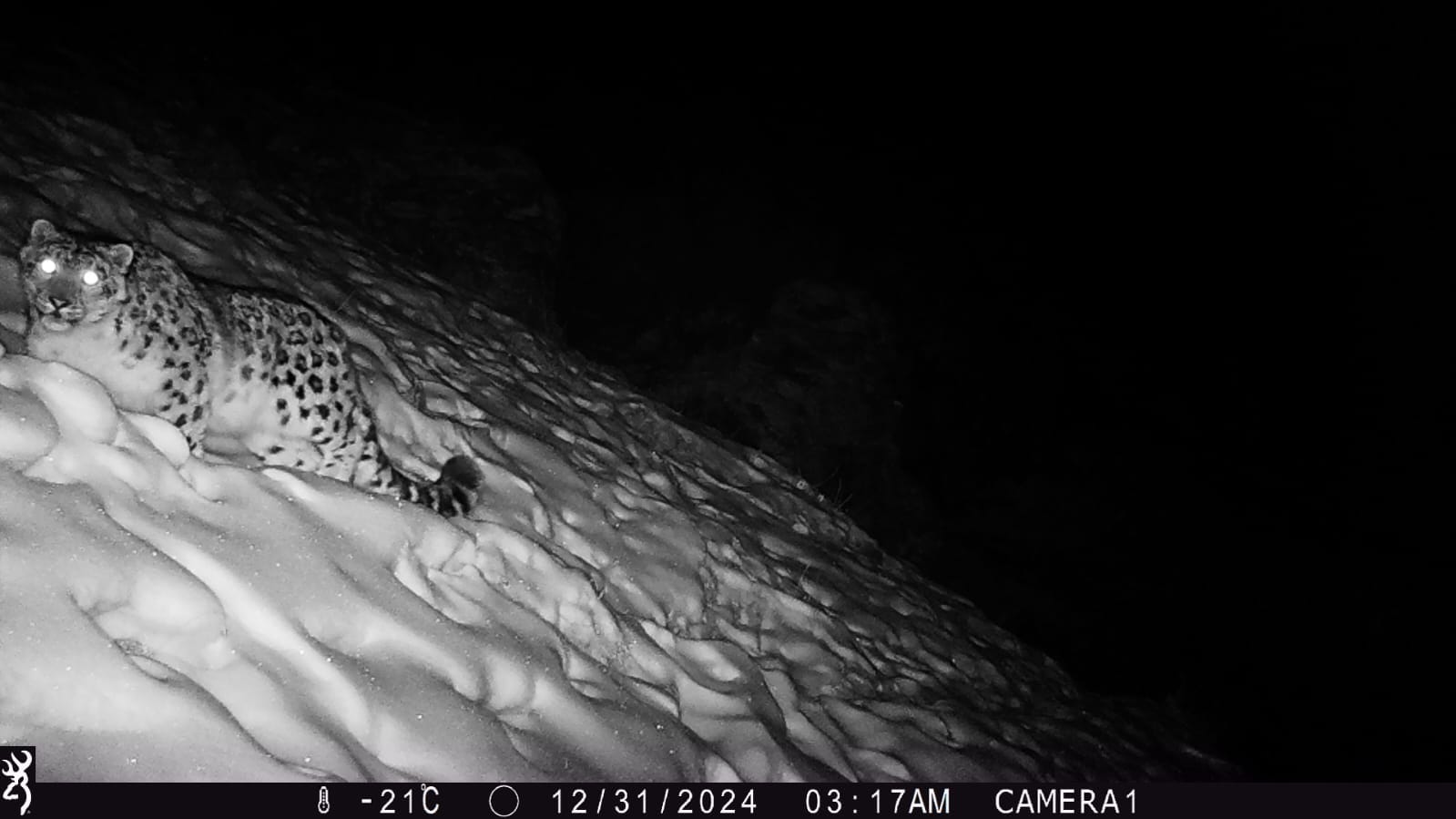
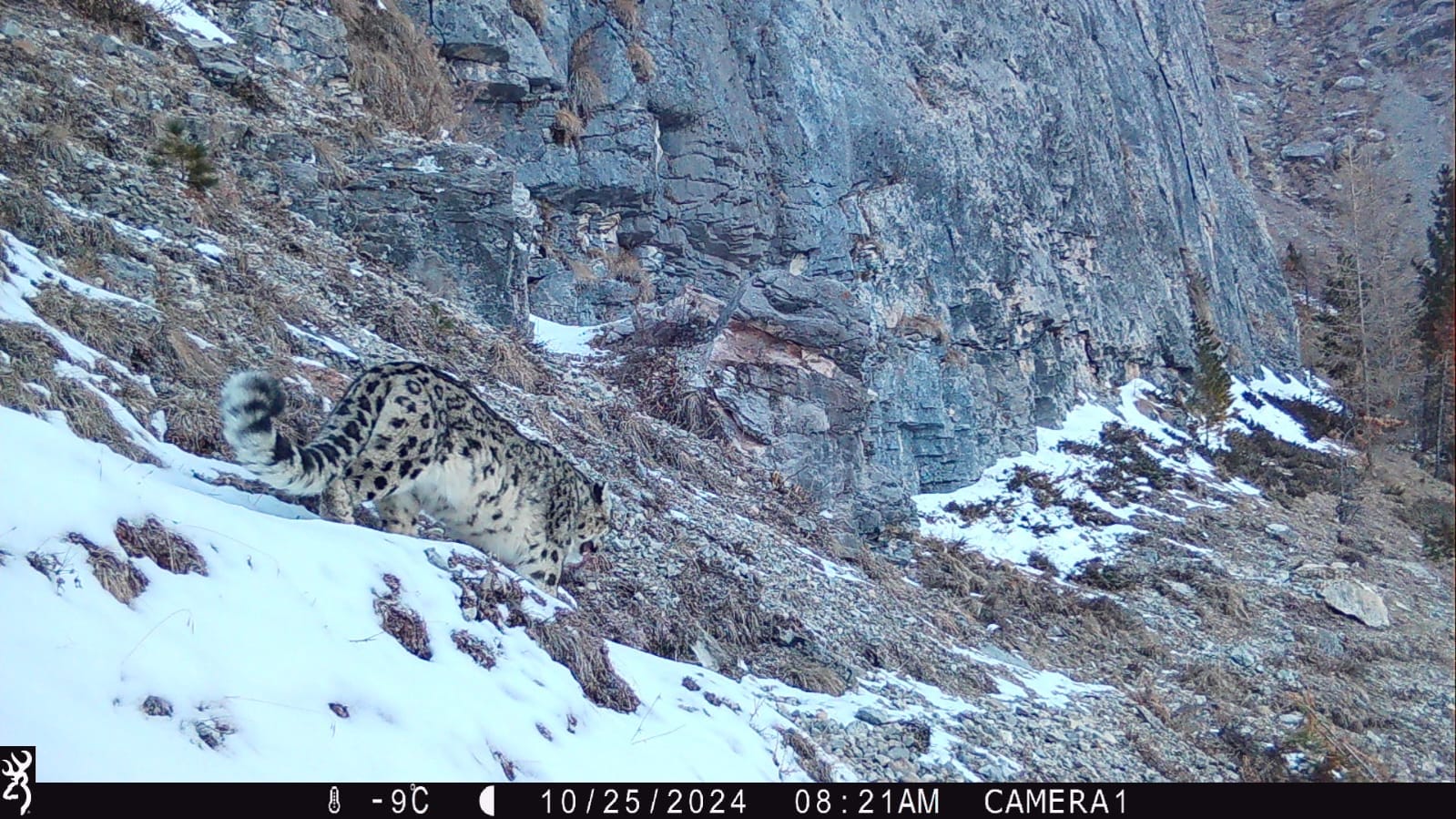
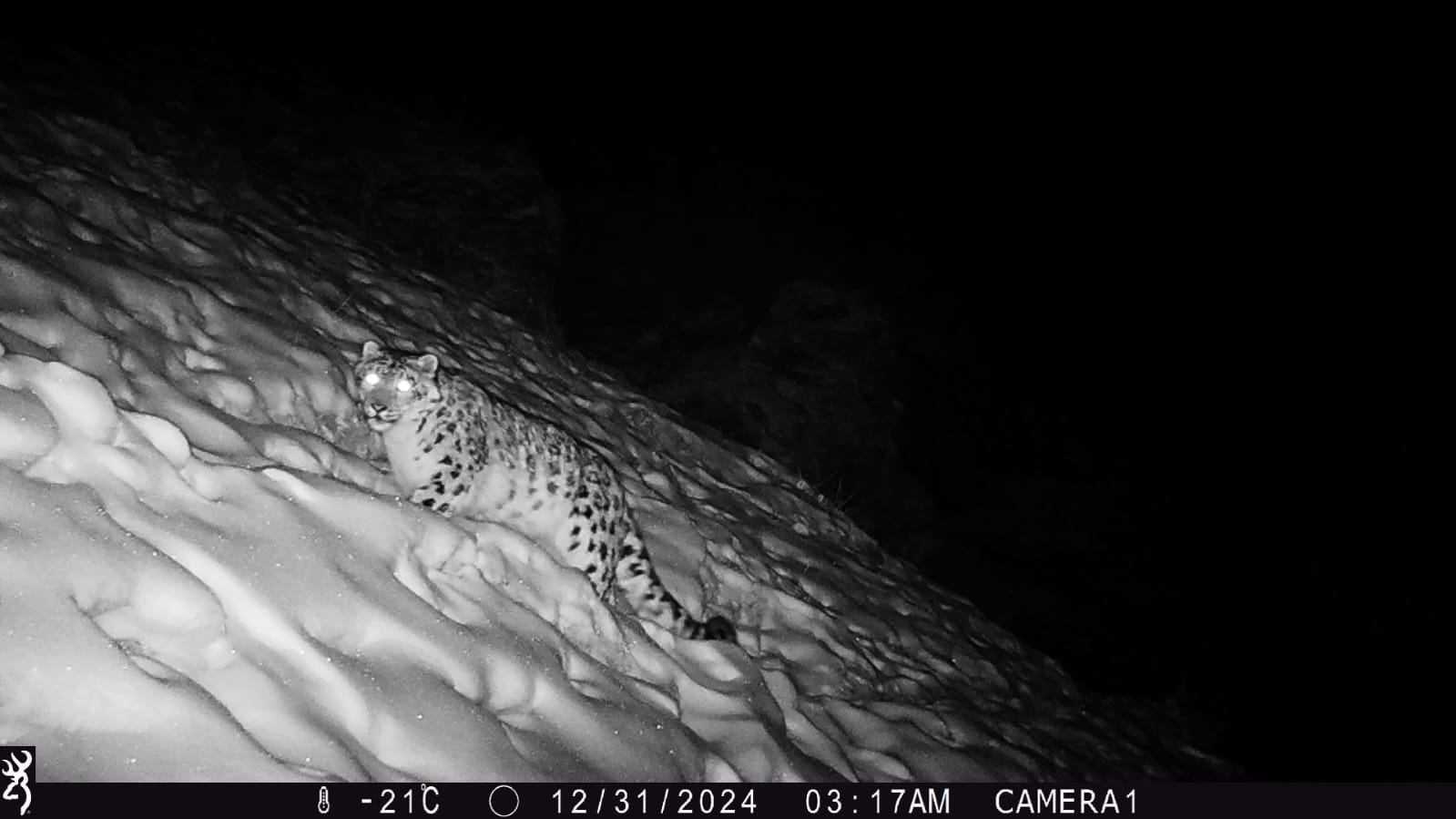
Mongolia Summer 2025 camera trap images.
On other fronts, our study on great cormorant (Phalacrocorax carbo) diets went well, with over 100 regurgitated (and quite stinky) fish samples retrieved from the island. So far our results show that only about 10% of the colony’s diet is made up of whitefish – the species most valued by fishermen – suggesting that cormorants may be competing with humans far less than commonly believed.
Meanwhile, Daurian pika are also making a comeback! After our monitoring documented an 80% drop in population size due to spring flooding in 2023, numbers have recovered substantially and pika are moving from the hills back into the flatlands where they once lived.
Finally, our research on the culturally sacred, highly medicinal, and heavily poached vansemberuu plant suggests its life history may differ from what was previously believed. Local knowledge holds that juvenile basal plants take 4–7 years to mature, produce their beautiful flowering stalk, and then die. Yet after six years of monitoring tagged individuals, only one has flowered—and at least half of the juveniles have actually shrunk in size! These findings indicate the species may live much longer and take more time to reach maturity than assumed, underscoring the need for continued monitoring and protection.
This semester was also enhanced by our camp cooks, Deggi and Haasha, two local Mongolian college students who prepared meals while also learning English, collecting data, and sharing lots of laughter with the team. After spending many weeks backpacking with rangers, visiting their local summer camps, and conducting fieldwork, our final presentations to the local community were among our best, and concluded with a traditional Khorkhog feast and some high-stakes Russian waltzing and karaoke. We look forward to returning next summer for more adventures!
Learn more about our
Work in Mongolia and
Mongolia Study Abroad Program